Non-Ablative Laser & IPL Skin Rejuvenation in High Wycombe

Non-Ablative Laser & IPL Skin Rejuvenation in High Wycombe

Non-Ablative Laser & IPL Skin Rejuvenation in High Wycombe: A Doctor-Led Guide

If your skin looks dull, uneven, sun-damaged, flushed, textured or tired, non-ablative laser and IPL treatments can help improve skin clarity without the downtime associated with more aggressive ablative resurfacing.

At Javaani Medical & Aesthetic Clinic in Hazlemere, High Wycombe, we offer advanced light-based skin treatments for people who want smoother, brighter and more even-looking skin. These treatments can be used for concerns such as pigmentation, sun spots, redness, enlarged pores, fine lines, acne scarring, uneven skin tone and general skin rejuvenation.

Javaani is a doctor-led aesthetic clinic, with treatment planning overseen by Dr Ahmad and delivered by experienced practitioners. Our approach is not simply to “do a laser facial”. We assess your skin type, pigmentation risk, medical history, current skincare, sun exposure and treatment goals before recommending the safest and most appropriate option.

Contents

  • What are non-ablative laser and IPL treatments?
  • What skin concerns can laser and IPL improve?
  • Laser vs IPL: what is the difference?
  • Why choose Javaani Medical & Aesthetic Clinic?
  • What happens during your consultation?
  • What to expect during treatment
  • How many sessions are usually needed?
  • Downtime, recovery and aftercare
  • Who may not be suitable for laser or IPL?
  • Frequently asked questions
  • Book a consultation at Javaani

What are non-ablative laser and IPL treatments?

Non-ablative laser treatments work by delivering controlled light energy into the skin without removing the surface layer. Unlike ablative lasers, which vaporise or remove the outer skin surface, non-ablative systems heat targeted layers within the skin while leaving the epidermis largely intact. This controlled thermal effect stimulates the skin’s natural repair response and encourages new collagen and elastin formation over time.

This makes non-ablative laser resurfacing a popular option for patients who want gradual improvement in skin quality with minimal disruption to daily life.

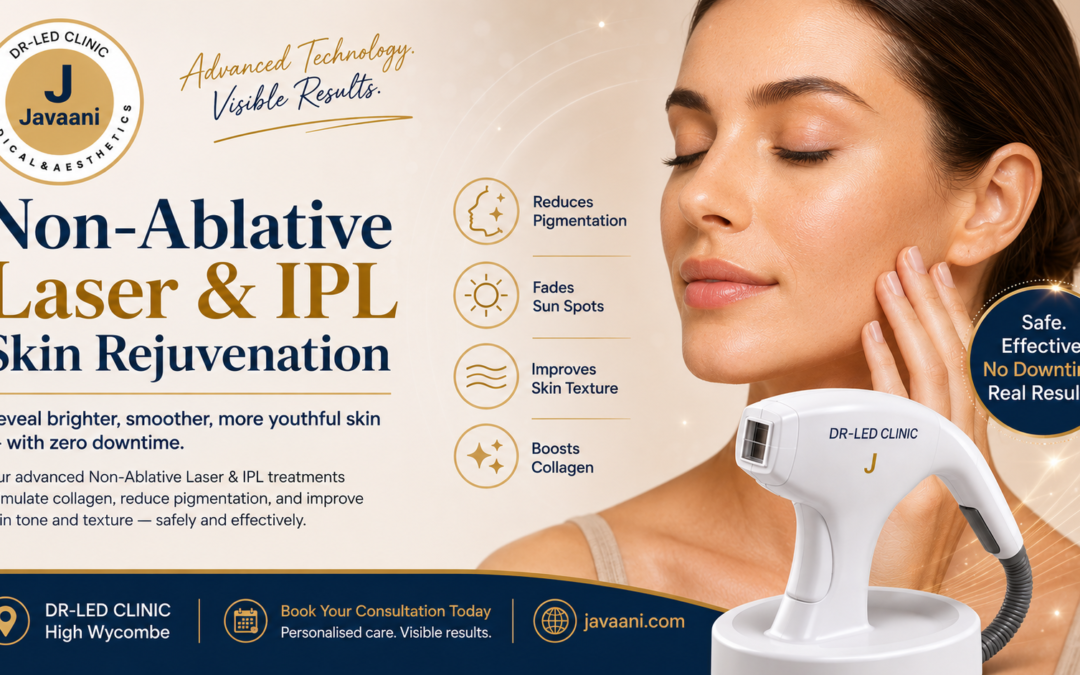
IPL, or Intense Pulsed Light, is not technically a laser. A laser uses a specific wavelength of light, while IPL uses broad-spectrum light with filters to target different chromophores in the skin, such as melanin in brown pigmentation and haemoglobin in redness or visible vessels. IPL is often used for photorejuvenation, pigmentation, sun damage, redness and overall uneven tone.

Both treatments are light-based technologies, but they are not the same. The best choice depends on your skin concern, skin tone, treatment area and risk profile.

What skin concerns can laser and IPL improve?

At Javaani, non-ablative laser and IPL treatments may be considered for pigmentation and sun damage, redness and visible capillaries, acne marks, post-inflammatory pigmentation, acne scars, uneven texture, fine lines, early skin ageing, enlarged pores and dull skin.

Pigmentation and sun damage

Brown patches, sun spots, age spots and freckles can develop from cumulative UV exposure, hormonal influences, inflammation and genetics. IPL can help target superficial pigmentation by delivering light energy that is absorbed by excess pigment. Over time, treated pigmentation may darken temporarily, come to the surface and gradually fade.

Non-ablative laser can also help improve uneven skin tone and photoageing, particularly when pigmentation is combined with textural change, fine lines or acne scarring.

Redness and visible capillaries

IPL can be helpful for certain types of facial redness, flushing, broken capillaries and vascular-looking marks. The light energy is absorbed by haemoglobin within superficial vessels, helping reduce visible redness gradually.

Patients with rosacea-prone skin need careful assessment, as not every type of redness responds in the same way. Active inflammation, sensitive skin, recent sun exposure and skincare irritation should be controlled before treatment.

Acne marks and post-inflammatory pigmentation

After acne, many patients are left with red marks, brown marks or uneven skin tone. IPL may help selected cases of post-inflammatory redness or pigmentation, while non-ablative laser may be more suitable when the main concern is texture, pores or early acne scarring.

Active acne, inflamed skin or recent medication use must be discussed during consultation.

Acne scars and uneven texture

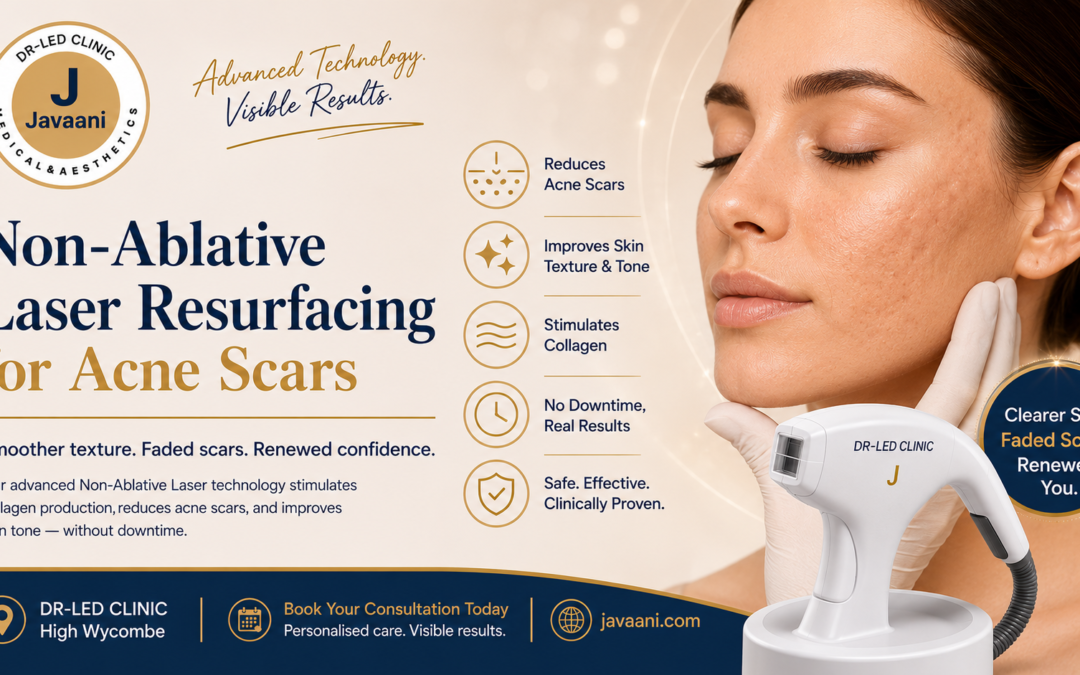
Non-ablative fractional laser treatments can improve the appearance of mild to moderate acne scarring by stimulating collagen remodelling. The aim is not to remove the skin surface aggressively, but to encourage gradual repair beneath the surface.

Results are progressive. Most people need a course of treatments, and improvement continues as collagen production develops over several weeks to months.

Fine lines and early skin ageing

Light-based treatments can help improve early signs of ageing such as fine lines, dullness, uneven tone, rough texture and mild laxity. Non-ablative laser is particularly useful when the goal is to improve skin quality rather than create a dramatic surgical change.

It can be used as part of a broader skin rejuvenation plan alongside medical-grade skincare, microneedling, polynucleotides, PRP, skin boosters or other regenerative treatments where appropriate.

Enlarged pores and dull skin

Pores cannot be permanently closed, but their appearance can be improved when skin texture, oil balance and collagen support are improved. Non-ablative laser can help refine surface texture, while IPL can brighten uneven pigmentation and give the skin a clearer, more luminous appearance.

Laser vs IPL: what is the difference?

Patients often search for IPL laser, but laser and IPL are different technologies.

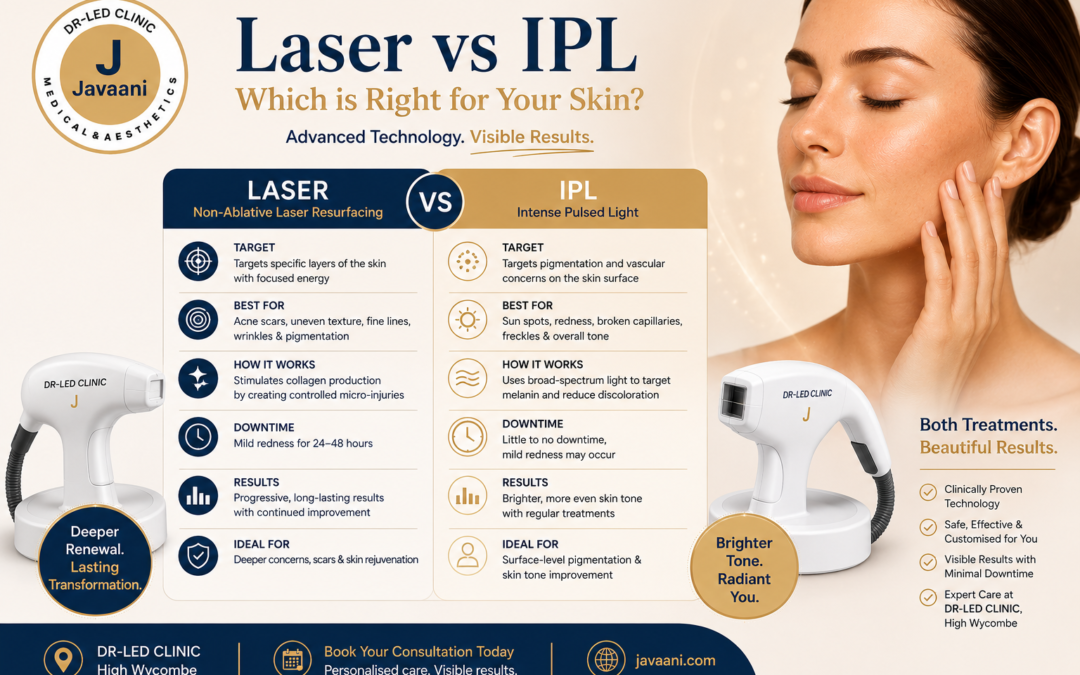
Laser uses a focused beam of light at a specific wavelength. This allows it to target particular depths and structures in the skin more precisely. Non-ablative fractional lasers are commonly used for collagen stimulation, skin texture, pores, acne scars and fine lines.

IPL uses broad-spectrum pulsed light. It can treat larger areas and is often used for pigmentation, sun damage, redness and general photorejuvenation. IPL is versatile, but it needs careful patient selection because the broad-spectrum light can also interact with background skin pigment.

In simple terms, IPL is often chosen for sun damage, superficial pigmentation, redness, broken capillaries, uneven tone and general brightening. Non-ablative laser is often chosen for skin texture, fine lines, enlarged pores, acne scarring, collagen stimulation and gradual resurfacing with minimal downtime.

Many patients benefit from a combined or staged approach, but this should be planned carefully after skin assessment.

Why choose Javaani Medical & Aesthetic Clinic?

Choosing the right clinic matters with laser and IPL. These are energy-based medical aesthetic treatments, not simple beauty facials. Settings, skin type assessment, device quality, aftercare and practitioner experience all affect safety and results.

Javaani is led by Dr Ahmad, an experienced medical practitioner with a long-standing background in aesthetic medicine. This supports a more clinical approach to consultation, risk assessment, suitability and complication prevention.

Javaani’s existing laser service is based on medical-grade equipment rather than underpowered aesthetic devices. Device quality matters because the aim is to deliver controlled, effective energy while reducing unnecessary risk.

Pigmentation, redness and texture often have multiple causes. Sun exposure, melasma, hormones, acne, inflammation, skincare irritation, medication, skin type and recent tanning can all affect the treatment plan. At Javaani, your skin is assessed before treatment so the plan is tailored rather than generic.

Javaani is based in Hazlemere, High Wycombe, welcoming patients from Beaconsfield, Amersham, Marlow, Gerrards Cross, Chesham, Loudwater, Slough and surrounding Buckinghamshire areas.

The aim is healthier-looking, clearer and more even skin — not an artificial or over-treated appearance. Laser and IPL results are usually gradual, progressive and natural-looking.

What happens during your consultation?

Your consultation is one of the most important parts of treatment. Before laser or IPL, we need to understand your main skin concern, skin type and pigmentation risk, whether you tan easily or burn easily, recent sun exposure or fake tan use, history of melasma or post-inflammatory hyperpigmentation, active acne, eczema, rosacea or skin infection, current skincare, medication history, previous treatments, pregnancy

or breastfeeding status, history of cold sores if treating around the mouth, and your expectations and timescale.

A patch test may be recommended, particularly where there is higher pigmentation risk or if you have not had laser/IPL before.

What to expect during treatment

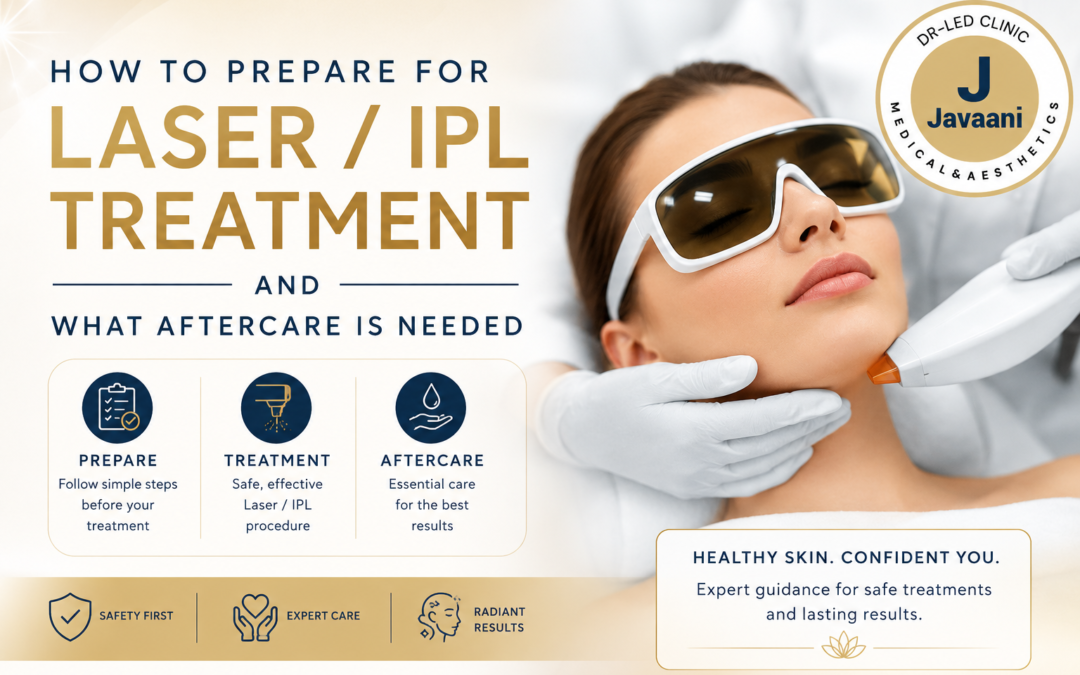
Before treatment, the skin is cleansed and protective eyewear is used. Depending on the area and device, a cooling gel or cooling method may be applied. You may feel warmth, snapping, prickling or a mild stinging sensation as the light energy is delivered.

Treatment time depends on the area. A small area may be quick, while full-face treatment takes longer. Most patients tolerate non-ablative laser and IPL well.

Immediately afterwards, the skin may feel warm, pink or mildly swollen, similar to mild sunburn. Pigmented areas may temporarily darken before gradually flaking or fading. Redness usually settles over hours to a few days, depending on the treatment intensity and skin sensitivity.

How many sessions are usually needed?

Most laser and IPL treatments work best as a course.

For non-ablative fractional laser resurfacing, a typical course may involve 4–6 sessions, often spaced around 4–5 weeks apart, depending on your skin concern and treatment response.

IPL courses vary depending on the concern being treated. Pigmentation, redness and photorejuvenation usually require multiple sessions, with maintenance sessions sometimes recommended to preserve results.

Some patients notice brighter skin after the first treatment, but collagen-based changes take longer. Improvements in texture, pores, scars and fine lines are usually progressive because new collagen and elastin develop gradually.

Downtime, recovery and aftercare

One of the main benefits of non-ablative laser and IPL treatments is that downtime is usually limited compared with more aggressive ablative resurfacing.

Expected temporary effects may include redness, warmth, mild swelling, temporary darkening of pigmentation, dryness or light flaking, and sensitivity for a few days.

Aftercare is essential. You will usually be advised to use SPF 50 daily, avoid sun exposure and tanning, avoid sunbeds, avoid fake tan before and after treatment, avoid harsh exfoliants, scrubs, retinoids or acids for a short period as advised, avoid heat treatments, saunas and intense exercise immediately afterwards, keep the skin hydrated, and follow the specific aftercare given by your practitioner.

Sun protection is not optional. UV exposure before or after laser/IPL can increase the risk of pigmentation changes and reduce the quality of your result.

Who may not be suitable for laser or IPL?

Laser and IPL are effective treatments, but they are not suitable for everyone.

You may need to delay or avoid treatment if you have recent tanning or sunburn, fake tan on the treatment area, active skin infection, active eczema, dermatitis or uncontrolled rosacea, certain photosensitising

medications, a strong tendency to post-inflammatory hyperpigmentation, unstable melasma, pregnancy or breastfeeding depending on treatment policy, recent isotretinoin use, recent aggressive skin treatments, unrealistic expectations, or a history of poor wound healing or keloid scarring.

Darker skin types and pigmentation-prone skin require extra caution. This does not automatically mean treatment is impossible, but it does mean that the device, settings, wavelength, spacing and aftercare need to be carefully selected. In some cases, an alternative treatment may be safer.

Is IPL good for melasma?

Melasma is a complex pigmentation condition influenced by hormones, UV exposure, visible light, heat and inflammation. It can be stubborn and can worsen if treated too aggressively.

For this reason, IPL or laser for melasma should only be considered after careful assessment. In many cases, melasma is best managed first with strict sun protection, pigment-regulating skincare and medical guidance. Energy-based treatments may be considered selectively, but they are not the first or safest option for every patient.

At Javaani, we assess pigmentation properly before recommending treatment. Not every brown patch should be treated with IPL.

Can laser or IPL be combined with other skin treatments?

Yes, but timing matters.

Depending on your skin condition, non-ablative laser or IPL may be combined as part of a wider skin plan with medical-grade skincare, chemical peels, microneedling, PRP or regenerative treatments, polynucleotides, skin boosters, LED light therapy, Hydrafacial or deep cleansing facials.

Combination treatment should be planned properly. Doing too many active treatments too close together can irritate the skin and increase pigmentation risk, especially in darker or sensitive skin types.

Frequently asked questions

Is non-ablative laser painful?

Most patients describe the sensation as warmth, prickling or a mild snapping feeling. It is usually well tolerated. Comfort depends on the treatment area, intensity and individual sensitivity.

Is IPL the same as laser?

No. IPL uses broad-spectrum pulsed light, while laser uses a focused wavelength. Both are light-based treatments, but they behave differently in the skin and are used for different concerns.

What is IPL best for?

IPL is commonly used for sun damage, superficial pigmentation, redness, visible capillaries, uneven tone and general photorejuvenation.

What is non-ablative laser best for?

Non-ablative laser is commonly used for skin texture, fine lines, enlarged pores, acne scarring, mild laxity and collagen stimulation.

Will I peel after treatment?

Non-ablative laser and IPL usually do not cause heavy peeling like more aggressive resurfacing. Some patients experience dryness, mild flaking or temporary darkening of pigment before it fades.

Can I wear makeup after IPL or laser?

This depends on the treatment intensity and your skin response. Many patients can return to normal activities quickly, but you should follow the aftercare advice given at your appointment.

How soon will I see results?

Some patients notice brighter, smoother skin within days. Pigmentation and redness may improve over several weeks. Collagen-related improvements in texture, pores, scars and fine lines usually develop progressively over weeks to months.

How long do results last?

Results depend on the concern treated, your skin type, sun exposure, skincare, ageing process and maintenance. Good SPF use and ongoing skin health maintenance are essential.

Is laser or IPL safe for darker skin?

It can be safe in selected cases when the right technology, settings and practitioner experience are in place. However, darker skin has a higher risk of pigmentation changes if treated incorrectly. A consultation and patch test may be recommended.

Can IPL make pigmentation worse?

Yes, in some cases. This is why proper diagnosis is important. Melasma, recent tanning, darker skin types and post-inflammatory pigmentation need careful management.

Book a consultation at Javaani Medical & Aesthetic Clinic

If you are considering non-ablative laser resurfacing, IPL skin rejuvenation, pigmentation treatment, redness treatment or laser skin resurfacing in High Wycombe, the first step is a professional consultation.

At Javaani Medical & Aesthetic Clinic in Hazlemere, we will assess your skin, discuss your concerns and recommend a treatment plan that is safe, realistic and tailored to you.

Clinic: Javaani Medical & Aesthetic Clinic
Location: 11A Penn Road, Hazlemere, High Wycombe, Buckinghamshire HP15 7LN
Phone: 01494 977935
Email: consultation@javaani.com
Website: Javaani.com

Book your consultation today and take the first step towards clearer, smoother and healthier-looking skin.

IPL for Pigmentation & Sun Spots High Wycombe

IPL for Pigmentation & Sun Spots High Wycombe

IPL for Pigmentation, Sun Spots & Uneven Skin Tone

Pigmentation is one of the most common reasons people seek aesthetic skin treatment. Brown patches, sun spots, age spots, freckles, post-acne marks and uneven skin tone can make the complexion look dull, tired or prematurely aged. For selected patients, IPL skin rejuvenation can help improve visible pigmentation and restore a brighter, more even-looking complexion.

At Javaani Medical & Aesthetic Clinic in Hazlemere, High Wycombe, we offer doctor-led assessment and light-based skin treatments for pigmentation, sun damage and uneven skin tone. The most important step is not simply choosing IPL or laser. It is first identifying the type of pigmentation, the patient’s skin type, the risk of post-inflammatory hyperpigmentation and whether the concern is suitable for light-based treatment.

This guide explains how IPL can help pigmentation, when it may not be appropriate, why melasma needs extra caution, and what patients should expect before and after treatment at Javaani.

Contents

  • What causes facial pigmentation?
  • What types of pigmentation can IPL help?
  • How does IPL target pigmentation?
  • IPL vs laser for pigmentation
  • Why melasma needs extra caution
  • Is IPL safe for darker skin types?
  • What happens during treatment?
  • How many IPL sessions are needed?
  • Downtime and aftercare
  • How to prevent pigmentation from returning
  • Why choose Javaani?
  • Frequently asked questions
  • Book a pigmentation consultation

What causes facial pigmentation?

Pigmentation occurs when melanin, the natural pigment in the skin, becomes unevenly distributed or overproduced in certain areas. Melanin is produced by melanocytes, and it is strongly influenced by ultraviolet exposure, visible light, inflammation, hormones and genetics.

Common causes of facial pigmentation include cumulative sun exposure, previous sunburn, hormonal change, acne, skin irritation, aggressive skincare, inflammation after treatments, and natural ageing. Some people are more pigmentation-prone because of their skin type or family background.

The key clinical point is that not all brown marks are the same. A treatment that works well for one type of pigmentation may be ineffective or unsuitable for another. This is why a proper skin consultation is essential before IPL, laser or any energy-based treatment.

What types of pigmentation can IPL help?

IPL can be helpful for selected superficial pigmentation, particularly pigment caused by sun damage and photoageing. It is often used as part of a photorejuvenation programme to improve overall skin clarity, brightness and visible brown discoloration.

Sun spots and age spots

Sun spots, also known as solar lentigines or age spots, are flat brown marks that commonly appear on the face, hands, chest and shoulders after years of UV exposure. These are often good candidates for IPL when they are superficial and the surrounding skin is suitable for treatment.

Freckles and photodamage

Freckles and mottled sun damage can make the skin look patchy or uneven. IPL can help reduce the contrast between pigmented areas and the surrounding skin, giving a fresher and more uniform appearance.

Post-inflammatory hyperpigmentation

Post-inflammatory hyperpigmentation can occur after acne, eczema, irritation, burns, peels, picking or trauma to the skin. IPL may help selected cases, but caution is needed because the same skin that develops pigmentation after inflammation may also be vulnerable to pigmentation changes after energy-based treatment.

Melasma

Melasma is a complex pigmentation disorder, usually presenting as symmetrical brown or grey-brown patches on the cheeks, forehead, upper lip or jawline. It is influenced by UV exposure, visible light, heat, hormonal factors and skin inflammation. IPL is not automatically the best treatment for melasma and can make it worse if used inappropriately.

How does IPL target pigmentation?

IPL stands for Intense Pulsed Light. It is not a laser, although patients often describe it as an “IPL laser”. A laser uses one focused wavelength of light, while IPL uses broad-spectrum pulsed light with filters to target specific colours or structures in the skin.

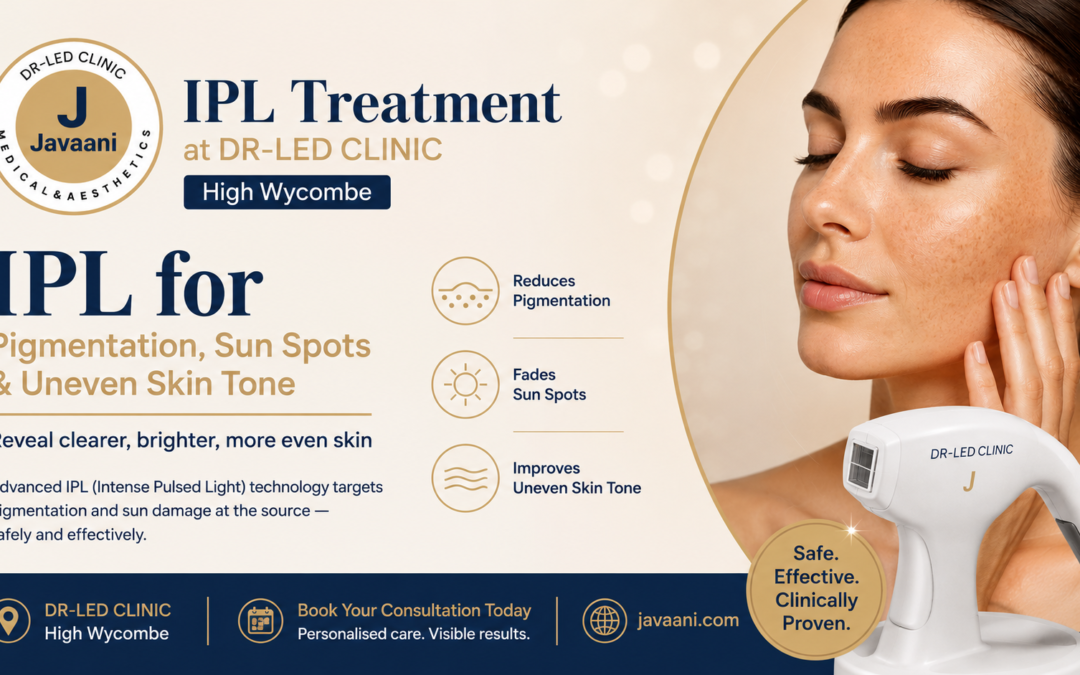
For pigmentation, IPL light is absorbed by melanin within the pigmented area. This controlled light energy is converted into heat, which helps break down visible pigment. In the days after treatment, treated pigment may temporarily darken, look slightly more pronounced, and then gradually lift, flake or fade as the skin renews itself.

The aim is not to bleach the whole face. The aim is to reduce unwanted visible pigment while preserving the surrounding skin. This requires careful selection of settings and proper aftercare.

IPL vs laser for pigmentation

Both IPL and laser can be used for pigmentation, but they work differently. IPL is often useful for widespread superficial sun damage, freckles, redness and general photorejuvenation. Laser may be preferred for more specific pigment targets, deeper pigment, texture change, acne scarring or collagen stimulation, depending on the device and diagnosis.

Concern IPL may be useful when Laser/non-ablative laser may be considered when
Sun spots / age spots Pigment is superficial and skin type is suitable A more targeted approach is needed
Uneven tone / photodamage There is widespread mottled pigmentation Texture and collagen stimulation are also priorities
Post-acne marks Red/brown marks are selected carefully Textural acne scarring is also present
Melasma Only in highly selected cases, with caution Often not first-line; pigment control skincare may be safer initially
Darker skin types May be unsuitable or require extra caution Choice of device and settings is critical

Why melasma needs extra caution

Melasma deserves a separate discussion because it is not simply “surface pigment”. It behaves differently from sun spots and can be triggered or worsened by heat, inflammation, visible light, hormonal changes and UV exposure. This means that aggressive IPL or laser treatment may worsen pigmentation in some patients.

At Javaani, melasma is assessed carefully before any light-based treatment is recommended. In many cases, the first stage is a stabilisation plan using strict sun protection, pigment-regulating skincare and avoidance of triggers. IPL or laser may be considered only when the diagnosis, skin type and risk profile support it.

Patients should be cautious about clinics offering quick removal of all pigmentation without first explaining the type of pigmentation being treated. The safest approach is diagnosis first, treatment second.

Is IPL safe for darker skin types?

IPL can be effective, but darker skin types require extra caution because there is more background melanin in the skin. If settings are too aggressive or the treatment is unsuitable, the risk of burns, post-inflammatory hyperpigmentation or hypopigmentation increases.

This does not mean that all darker skin types are excluded from treatment. It means that patient selection, treatment settings, patch testing, pre-treatment skincare and aftercare are especially important. In some cases, alternative treatments such as skincare, chemical peels, microneedling or regenerative treatments may be recommended instead of IPL.

At Javaani, we assess skin type, tanning history, pigmentation tendency and previous treatment reactions before deciding whether IPL is appropriate.

What happens during an IPL pigmentation treatment?

Your treatment journey begins with a consultation. We review your skin concern, medical history, skincare routine, medications, sun exposure, previous treatments and treatment goals. Photographs may be taken for clinical records and progress comparison.

If IPL is suitable, a patch test may be advised. On the treatment day, the skin is cleansed and protective eyewear is used. A cooling gel may be applied, and pulses of light are delivered to the treatment area. Patients often describe the sensation as a quick warm snap against the skin.

After treatment, the skin may look pink or feel warm. Pigmented areas may darken temporarily over the next few days before gradually fading. This temporary darkening is expected in many cases of superficial pigmentation treatment.

How many IPL sessions are usually needed?

Most pigmentation concerns need a course rather than a single treatment. The number of sessions depends on the type of pigment, depth of pigment, skin type, sun exposure, treatment intensity and how the skin responds.

Many patients require a series of treatments spaced several weeks apart. Maintenance may be recommended for patients with ongoing sun exposure, recurrent pigmentation or photoageing. Results are best preserved when IPL is combined with daily SPF, appropriate skincare and sensible sun behaviour.

It is important to understand that IPL improves selected pigmentation; it does not stop the skin from producing pigment in the future. Long-term control depends heavily on prevention.

Downtime and aftercare

IPL downtime is usually mild, but aftercare is essential. Immediately after treatment, the skin may be red, warm or slightly swollen. Brown spots may temporarily darken and may look more noticeable before they fade.

Aftercare usually includes:

  • Apply SPF 50 every day, even in cloudy weather
  • Avoid direct sun exposure and tanning
  • Avoid sunbeds completely
  • Avoid fake tan before and after treatment
  • Avoid retinoids, exfoliating acids and scrubs for the period advised
  • Avoid heat treatments, saunas and intense exercise immediately after treatment
  • Keep the skin moisturised and avoid picking or rubbing treated areas
  • Follow the personalised aftercare instructions given at your appointment

Sun protection is the most important part of pigmentation treatment. Without it, pigmentation can return quickly and treatment outcomes may be reduced.

How to prevent pigmentation from returning

Pigmentation treatment should always include a prevention strategy. Even when IPL works well, new pigmentation can develop if the skin continues to be exposed to UV, heat, inflammation or hormonal triggers.

The most effective long-term habits include daily broad-spectrum SPF 50, reapplication during outdoor exposure, wearing hats in strong sun, avoiding sunbeds, using pigment-regulating skincare where appropriate, and avoiding unnecessary skin irritation from harsh products.

Patients with recurrent pigmentation, melasma or darker skin types may need a longer-term medical-grade skincare plan to maintain results safely.

Why choose Javaani Medical & Aesthetic Clinic?

Javaani Medical & Aesthetic Clinic is based in Hazlemere, High Wycombe and provides doctor-led aesthetic and skin treatments for patients across Buckinghamshire. Pigmentation treatment requires more than simply

applying IPL to brown marks. It requires diagnosis, caution, appropriate device settings and a clear aftercare plan.

Patients choose Javaani because:

  • The clinic is doctor-led by Dr Ahmad
  • Skin is assessed before treatment, not treated generically
  • Pigmentation type and skin type are considered carefully
  • Treatment plans are realistic and safety-focused
  • The clinic offers a wider range of skin treatments, allowing alternatives when IPL is not appropriate
  • Javaani is local to Hazlemere, High Wycombe, Beaconsfield, Amersham, Marlow and surrounding Buckinghamshire areas

Frequently asked questions

Is IPL good for pigmentation?

IPL can be good for selected superficial pigmentation, especially sun spots, age spots, freckles and mottled sun damage. It is not suitable for every type of pigmentation, and a consultation is needed first.

Can IPL remove sun spots?

IPL can significantly improve the appearance of many superficial sun spots. Treated areas may darken temporarily before gradually fading. Multiple sessions may be needed.

Can IPL treat melasma?

Melasma is complex and can worsen with heat or inflammation. IPL is not always recommended for melasma and should only be considered after careful assessment.

Is IPL safe for darker skin?

IPL carries a higher risk of pigmentation changes in darker skin types. Treatment may still be possible in selected cases, but assessment, patch testing and conservative settings are important.

Will pigmentation come back after IPL?

Pigmentation can return, especially with sun exposure, hormonal triggers or inadequate SPF. Long-term prevention is essential.

How long does IPL pigmentation treatment take to work?

Some pigmentation may darken over a few days and then fade gradually. Visible improvement usually develops over several weeks and often requires a course of treatment.

Can I wear makeup after IPL?

This depends on the skin response and practitioner advice. Many patients resume normal activities quickly, but the treated area should be protected and not irritated.

What is better for pigmentation: IPL, laser or peels?

It depends on the type of pigmentation, skin type and risk profile. IPL may suit superficial sun damage; peels or skincare may be better for some pigmentation-prone patients; laser may be considered for specific concerns.

Book a pigmentation consultation at Javaani

If you are looking for IPL for pigmentation, sun spot removal, age spot treatment or uneven skin tone treatment in High Wycombe, the first step is a professional skin consultation.

At Javaani Medical & Aesthetic Clinic in Hazlemere, we will assess your pigmentation, discuss your skin type and recommend a safe, realistic treatment plan. IPL may be suitable for your skin, or we may advise an alternative approach if that would be safer and more effective.

Clinic: Javaani Medical & Aesthetic Clinic
Location: 11A Penn Road, Hazlemere, High Wycombe, Buckinghamshire HP15 7LN
Phone: 01494 977935
Email: consultation@javaani.com
Website: Javaani.com


ExoSmart™ for Skin Rejuvenation

ExoSmart™ for Skin Rejuvenation

The Science Behind Autologous Regenerative Skin Therapy

Modern aesthetic medicine is increasingly moving beyond simple volumisation and surface-level cosmetic procedures. Patients today are often looking for treatments that focus on skin quality, tissue health, collagen support, and regenerative improvement rather than merely masking signs of ageing.

This shift has accelerated interest in regenerative medicine and, more specifically, the role of exosome-based therapies in skin rejuvenation.

At Javaani Medical & Aesthetic Clinic in High Wycombe, Dr Ahmad and the clinical team are introducing ExoSmart™ autologous regenerative technology as part of a medically led approach to skin rejuvenation and tissue regeneration.

Unlike many commercially marketed exosome products derived from donor tissue or laboratory-expanded cells, ExoSmart™ uses the patient’s own biology to create a concentrated regenerative preparation designed to support cellular signalling pathways within the skin.

This distinction is important from both a biological and clinical perspective.

Why Skin Ageing Happens

Skin ageing is a complex biological process influenced by multiple factors over time.

These include:

  • Collagen reduction
  • Elastin degradation
  • Oxidative stress
  • Ultraviolet exposure
  • Chronic inflammation
  • Hormonal changes
  • Reduced cellular communication
  • Declining tissue repair mechanisms

As skin ages, it gradually loses:

  • Elasticity
  • Hydration
  • Structural support
  • Dermal density
  • Regenerative efficiency

This contributes to visible changes such as:

  • Fine lines
  • Wrinkling
  • Dullness
  • Reduced skin firmness
  • Texture irregularities
  • Crepey skin quality

Traditional aesthetic procedures often address the visible consequences of ageing. Regenerative medicine instead attempts to influence the biological environment contributing to those changes.

The Rise of Regenerative Aesthetic Medicine

Over the past decade, regenerative medicine has become one of the most important developments within modern aesthetics.

Rather than relying solely on synthetic correction, regenerative approaches aim to support natural tissue biology through cellular signalling and biological stimulation.

This has led to growing clinical interest in:

  • Platelet-rich plasma (PRP)
  • Extracellular vesicle research
  • Secretome-based therapies
  • Autologous regenerative medicine
  • Collagen signalling pathways

The underlying principle is relatively straightforward:

Healthy tissue depends on effective cellular communication.

Regenerative therapies attempt to support or enhance this communication environment.

What Is ExoSmart™?

ExoSmart™ is a point-of-care regenerative processing system designed to produce a concentrated autologous biological preparation using the patient’s own blood.

The resulting preparation contains components associated with regenerative signalling, including:

  • Exosomes
  • Cytokines
  • Growth factors
  • Proteins
  • Fibrin-associated regenerative components

These biological signalling molecules form part of what is known as the secretome — the collection of substances naturally released by cells to communicate with surrounding tissue.

According to the ExoSmart™ physician guide, regenerative activity may depend on the interaction between multiple signalling components rather than isolated exosomes alone.

This “whole secretome” concept is becoming increasingly important within regenerative medicine research.

How Autologous Regenerative Signalling May Support Skin Quality

The skin is a biologically active organ that constantly undergoes repair, renewal, and communication between cells.

Exosomes are believed to participate in this process by carrying signalling molecules involved in:

  • Cellular communication
  • Tissue repair pathways
  • Collagen signalling
  • Inflammatory modulation
  • Angiogenesis
  • Dermal support mechanisms

Regenerative therapies such as ExoSmart™ aim to support the biological environment of the skin rather than artificially replacing tissue.

This is an important conceptual difference.

The objective is not simply to “fill” or “freeze” the skin, but to support tissue quality and regenerative signalling within the dermal environment.

Patients increasingly seek this more natural regenerative philosophy, particularly when concerned about:

  • Early ageing changes
  • Skin texture decline
  • Dullness
  • Reduced elasticity
  • Thin or fragile skin quality

Exosomes, Cytokines and the Skin Microenvironment

Modern regenerative medicine increasingly focuses on the concept of the skin microenvironment.

This refers to the complex ecosystem surrounding skin cells, including:

  • Extracellular matrix support
  • Immune signalling
  • Blood supply
  • Fibroblast activity
  • Collagen architecture
  • Cellular communication pathways

As this environment deteriorates with age, visible skin quality often declines.

Exosomes and cytokines are thought to contribute to these signalling systems through paracrine communication mechanisms.

The attached ExoSmart™ physician material highlights that isolated exosome fractions alone may not reproduce the same biological effects as the full secretome environment.

This reinforces the growing scientific interest in broader autologous regenerative preparations rather than isolated laboratory-derived components.

ExoSmart™ vs Traditional PRP Skin Treatments

Platelet-rich plasma (PRP) remains one of the most established regenerative procedures in aesthetic medicine.

PRP primarily focuses on platelet-derived growth factor signalling.

ExoSmart™ aims to build upon this regenerative concept by concentrating a broader range of biological signalling components associated with the secretome.

This may include:

  • Extracellular vesicles
  • Cytokine signalling
  • Protein mediators
  • Regenerative communication pathways

Importantly, ExoSmart™ should not be presented as a guaranteed replacement for established treatments. Instead, it represents an evolving regenerative technology within a rapidly developing scientific field.

At Javaani Clinic, the emphasis remains on evidence-informed treatment planning and medically realistic patient expectations.

Who May Be Suitable for ExoSmart™ Skin Therapy?

Potential candidates may include individuals concerned about:

  • Early skin ageing
  • Reduced skin quality
  • Fine lines
  • Loss of skin vitality
  • Texture irregularities
  • Dull or tired-looking skin
  • Skin thinning
  • Acne scar quality

Patients seeking regenerative approaches using their own biology may also find autologous therapies appealing.

However, candidacy assessment remains important because regenerative medicine is not suitable for every patient or every skin concern.

At Javaani Clinic, consultations are designed to assess individual suitability before treatment recommendations are made.

What Happens During Treatment?

Treatment generally involves:

  1. Collection of a blood sample
  2. Regenerative processing using the ExoSmart™ system
  3. Preparation of the autologous regenerative concentrate
  4. Administration into targeted treatment areas

Depending on the treatment plan, regenerative therapy may sometimes be combined with procedures such as microneedling to support delivery and tissue stimulation.

Because the preparation is autologous, no donor-derived biological material is introduced into the patient.

Safety and Clinical Considerations

Safety and scientific integrity remain essential within regenerative medicine.

The ExoSmart™ physician material correctly emphasises that regenerative therapies should not be marketed using exaggerated or unsupported claims.

Patients should be cautious of statements such as:

  • “Permanent anti-ageing”
  • “Stem cell facelift”
  • Guaranteed collagen regeneration
  • Instant skin reversal claims

At Javaani Clinic, Dr Ahmad’s approach focuses on:

  • Medical governance
  • Ethical patient education
  • Evidence-informed care
  • Realistic treatment expectations

This balanced philosophy is particularly important in rapidly evolving fields such as regenerative aesthetics.

The Future of Regenerative Skin Medicine

Regenerative medicine is likely to become an increasingly important part of aesthetic practice over the coming decade.

As scientific understanding of extracellular vesicles, cytokines, and cellular communication pathways evolves, treatments designed to support tissue biology may continue to develop alongside traditional aesthetic procedures.

ExoSmart™ represents part of this broader movement toward biologically informed regenerative therapies that work with the body’s natural signalling systems.

At Javaani Medical & Aesthetic Clinic, the emphasis remains on combining:

  • Scientific credibility
  • Patient safety
  • Regenerative philosophy
  • Medical oversight
  • Ethical aesthetic medicine

This integrated approach is central to the future of medically led regenerative aesthetics.

Related Treatments at Javaani Clinic

You may also be interested in:

  • ExoSmart™ Hair Restoration
  • PRP Skin Rejuvenation
  • Microneedling & Regenerative Therapy
  • Polynucleotide Treatments
  • Full Skin Consultation
How ExoSmart™ Works for Hair Loss

How ExoSmart™ Works for Hair Loss

How ExoSmart™ Works for Hair Loss

Hair loss affects millions of men and women worldwide and is often far more psychologically significant than many people realise. While conventional treatments such as topical medications, oral therapies, and hair transplantation continue to play an important role, regenerative medicine is introducing new approaches aimed at supporting the biological environment of the hair follicle itself.

One of the most rapidly evolving areas within regenerative hair medicine is the use of autologous exosome-based therapies.

At Javaani Medical & Aesthetic Clinic in High Wycombe, Dr Ahmad and the clinical team are introducing ExoSmart™ autologous regenerative technology as part of a medically led approach to hair restoration and scalp rejuvenation.

Unlike many commercially marketed donor-derived exosome products, ExoSmart™ uses the patient’s own biology, focusing on regenerative signalling pathways that may support follicular activity and scalp tissue health.

Understanding Hair Loss

Hair loss is not a single condition.

There are many different causes, including:

  • Androgenetic alopecia (male and female pattern hair loss)
  • Hormonal changes
  • Stress-related shedding
  • Nutritional deficiency
  • Inflammatory scalp conditions
  • Age-related follicular miniaturisation

In androgenetic alopecia, hair follicles gradually shrink over time in response to genetic and hormonal influences. This process is called miniaturisation.

As follicles miniaturise:

  • Hair becomes finer
  • Growth cycles shorten
  • Hair density reduces
  • Follicles may eventually become inactive

Modern regenerative medicine aims to support the biological environment surrounding these follicles before irreversible loss occurs.

Why Regenerative Medicine Is Changing Hair Restoration

Traditional hair restoration therapies largely focus on blocking hormonal pathways or surgically redistributing follicles.

Regenerative medicine approaches hair loss differently.

Instead of simply replacing hair, regenerative therapies aim to influence the scalp microenvironment through biological signalling.

This may involve supporting:

  • Tissue repair pathways
  • Cellular communication
  • Microcirculation
  • Growth signalling
  • Inflammatory regulation

This concept forms the scientific foundation behind platelet-rich plasma (PRP), extracellular vesicle research, and autologous secretome therapies such as ExoSmart™.

What Is ExoSmart™?

ExoSmart™ is a point-of-care regenerative processing system that uses the patient’s own blood to produce a concentrated autologous biological preparation.

The preparation contains components associated with the body’s regenerative signalling systems, including:

  • Exosomes
  • Cytokines
  • Growth factors
  • Protein signalling molecules
  • Fibrin-based regenerative components

The treatment is designed to concentrate elements of the body’s natural secretome, which refers to the collection of biologically active molecules released by cells.

According to the ExoSmart™ physician guide, regenerative signalling may depend on the interaction between multiple biological components rather than isolated exosomes alone.

This “whole secretome” concept is increasingly important within regenerative medicine research.

How Autologous Exosomes May Support Hair Growth

Hair follicles are biologically active mini-organs that depend on constant cellular communication.

Exosomes act as signalling vesicles that help cells exchange information. Researchers believe these signalling pathways may influence processes involved in:

  • Hair follicle cycling
  • Dermal papilla signalling
  • Cellular communication
  • Tissue repair
  • Scalp vascular support
  • Inflammatory modulation

The goal of regenerative therapy is not to create entirely new follicles. Instead, it aims to support existing follicles and improve the biological environment in which they function.

This distinction is important because ethical regenerative medicine should avoid exaggerated claims such as “instant hair regrowth” or “guaranteed follicle regeneration.”

At Javaani Clinic, patient education forms a central part of treatment planning.

The Importance of the Hair Follicle Microenvironment

Modern hair research increasingly focuses on the concept of the follicular microenvironment.

This refers to the biological ecosystem surrounding each follicle, including:

  • Blood supply
  • Signalling molecules
  • Immune activity
  • Extracellular matrix support
  • Inflammatory balance

When this environment deteriorates, follicular performance may decline.

Regenerative therapies such as ExoSmart™ aim to support this biological environment through autologous signalling pathways derived from the patient themselves.

This is one reason regenerative medicine is increasingly viewed as complementary to traditional hair restoration rather than simply an alternative to it.

ExoSmart™ vs Traditional PRP

Platelet-rich plasma (PRP) remains one of the most established regenerative treatments in hair restoration medicine.

The ExoSmart™ physician guide references substantial published PRP evidence, including meta-analyses covering approximately 43 randomised controlled trials involving nearly 2,000 patients.

PRP primarily focuses on platelet-derived growth factors.

ExoSmart™ attempts to broaden this regenerative signalling environment by concentrating additional secretome components including extracellular vesicles and cytokine pathways.

This does not necessarily mean ExoSmart™ “replaces” PRP. Instead, it represents a further evolution of autologous regenerative processing technologies.

Who May Be Suitable for ExoSmart™ Hair Restoration?

Potential candidates may include:

  • Men with early hair thinning
  • Women experiencing diffuse hair density reduction
  • Patients with androgenetic alopecia
  • Individuals seeking medically led regenerative options
  • Patients interested in autologous therapies

The best outcomes are generally expected when follicles remain biologically active.

Patients with advanced follicular loss or complete scalp fibrosis may require alternative approaches such as hair transplantation.

At Javaani Clinic, treatment suitability is assessed during consultation with Dr Ahmad before recommendations are made.

What Happens During Treatment?

Treatment typically involves:

  1. Blood collection
  2. Regenerative processing using the ExoSmart™ system
  3. Preparation of the autologous secretome concentrate
  4. Administration into targeted scalp areas

The procedure is minimally invasive and performed within the clinic setting.

Because the preparation is autologous, no donor tissue or foreign biological material is introduced.

Safety and Clinical Considerations

Patient safety remains one of the most important considerations in regenerative medicine.

Because ExoSmart™ uses the patient’s own biological material, theoretical risks associated with donor-derived products may be reduced.

However, it is equally important to maintain realistic expectations.

Regenerative medicine remains an evolving field, and responsible clinics should avoid unsupported claims such as:

  • Permanent hair regrowth guarantees
  • “Stem cell cures”
  • Unrealistic density restoration promises

The attached physician material also highlights that higher exosome concentration figures do not automatically prove superior clinical outcomes.

At Javaani Clinic, the emphasis is on medically supervised, evidence-informed regenerative care rather than marketing hype.

The Future of Regenerative Hair Medicine

Hair restoration medicine is evolving rapidly.

As scientific understanding of extracellular vesicles, secretomes, and regenerative signalling improves, autologous biologically based therapies may become increasingly integrated into modern hair management strategies.

ExoSmart™ represents part of this broader movement toward regenerative medicine approaches designed to support tissue biology rather than simply masking symptoms.

At Javaani Medical & Aesthetic Clinic, Dr Ahmad’s philosophy focuses on combining:

  • Medical governance
  • Scientific credibility
  • Patient education
  • Ethical regenerative practice
  • Individualised treatment planning

This balanced approach is essential as regenerative medicine continues to develop.

Related Treatments at Javaani Clinic

You may also be interested in:

  • PRP Hair Restoration
  • Hair Loss Blood Testing
  • Microneedling for Hair Regeneration
  • Regenerative Skin Rejuvenation
  • Full Hair Restoration Consultation
Autologous vs Allogenic vs Plant vs Animal Exosomes

Autologous vs Allogenic vs Plant vs Animal Exosomes

What Patients Need to Know Before Choosing Exosome Therapy

The term “exosome therapy” is now widely used in aesthetic medicine, regenerative medicine, and hair restoration clinics. However, many patients are unaware that exosome treatments can originate from very different biological sources.

This distinction is clinically important.

Not all exosomes are produced in the same way, regulated in the same way, or biologically compatible in the same way. Some treatments are derived from the patient’s own body, while others may originate from donor tissue, plants, or even animal sources.

At Javaani Medical & Aesthetic Clinic in High Wycombe, Dr Ahmad and the clinical team believe that patients should understand exactly what type of regenerative product is being used before undergoing treatment.

This article explains the scientific and clinical differences between:

  • Autologous exosomes
  • Allogenic (donor-derived) exosomes
  • Plant-derived exosomes
  • Animal-derived exosomes

The goal is not marketing hype, but informed medical education.

Why the Source of Exosomes Matters

In regenerative medicine, biological origin matters significantly because it influences:

  • Biological compatibility
  • Regulatory classification
  • Immune response potential
  • Safety considerations
  • Clinical philosophy
  • Ethical considerations

Many online advertisements simply use the term “exosomes” without clearly explaining their source. However, from a medical perspective, understanding where these biological materials come from is essential.

At Javaani Clinic, this distinction forms an important part of the patient consultation process.

What Are Exosomes?

Exosomes are microscopic extracellular vesicles naturally released by cells. They function as biological communication particles, carrying signalling molecules between cells and tissues.

These vesicles may contain:

  • Cytokines
  • Growth factors
  • Proteins
  • Lipids
  • RNA signalling molecules

Researchers are investigating the role of exosomes in:

  • Tissue regeneration
  • Hair follicle signalling
  • Inflammatory modulation
  • Skin repair pathways
  • Cellular communication networks

Importantly, exosomes are not “living stem cells.” Instead, they are communication vesicles released by cells.

This distinction is often misunderstood in aesthetic marketing.

The Four Main Categories of Exosome Therapy

Although exosome treatments are often grouped together commercially, they actually fall into four broad categories based on biological origin:

Type Source
Autologous Derived from the patient
Allogenic Derived from donor tissue
Plant-derived Derived from plant cells
Animal-derived Derived from animal tissue

Each approach carries different scientific, ethical, and regulatory implications.

Autologous Exosomes

Autologous exosomes are derived from the patient’s own biological material.

At Javaani Clinic, this is the regenerative philosophy behind ExoSmart™ autologous exosome technology.

The treatment process involves:

  • Taking a blood sample from the patient
  • Processing the sample using a specialised system
  • Concentrating regenerative signalling components
  • Re-administering the preparation into target tissue

Because the material originates from the patient themselves, autologous regenerative therapy may offer advantages including:

  • Biological compatibility
  • Avoidance of donor tissue exposure
  • Lower theoretical immune risk
  • Improved regulatory clarity

The ExoSmart™ physician guide also emphasises the importance of the “whole secretome” concept, suggesting that regenerative signalling may depend on the combined interaction of exosomes, proteins, cytokines, and growth factors rather than isolated particles alone.

This broader biological framework is one reason why many clinicians continue to favour autologous regenerative approaches.

Allogenic Exosomes

Allogenic exosomes originate from donor tissue rather than the patient receiving treatment.

Commercially marketed allogenic products may use material derived from:

  • Umbilical cord tissue
  • Placental tissue
  • Amniotic tissue
  • Laboratory-expanded donor cells

These products are widely marketed internationally, particularly within aesthetic medicine and hair restoration clinics. However, they also raise important regulatory and biological questions.

The physician guide attached earlier references FDA warning actions involving companies marketing donor-derived exosome products as unapproved biologics.

This does not necessarily mean all allogenic exosome products are unsafe. However, it highlights the importance of:

  • Regulatory oversight
  • Manufacturing transparency
  • Source traceability
  • Proper clinical governance

Patients should always ask where donor-derived biological material originates from and whether the product has regulatory approval within the relevant jurisdiction.

Plant-Derived Exosomes

Plant-derived exosomes have become increasingly popular in cosmetic and skincare marketing.

These products may use vesicles extracted from plants such as:

  • Green tea
  • Ginseng
  • Rose
  • Grapes
  • Aloe vera

Plant exosomes are often positioned as “natural” or “vegan-friendly” alternatives. However, from a regenerative medicine perspective, they remain biologically very different from human-derived signalling systems.

Current limitations include:

  • Limited high-quality clinical evidence
  • Different intercellular signalling biology
  • Uncertain long-term therapeutic relevance in human tissue regeneration

At present, most plant-derived exosome products remain positioned closer to cosmetic biotechnology than medically led regenerative therapy.

Animal-Derived Exosomes

Animal-derived exosomes are less commonly discussed publicly but may be used within certain biological or laboratory-derived products.

Potential sources may include:

  • Bovine tissue
  • Porcine tissue
  • Animal cell cultures

These products raise additional considerations involving:

  • Biological compatibility
  • Ethical concerns
  • Regulatory variation
  • Potential immunogenicity

In mainstream aesthetic practice within the UK, animal-derived exosome use remains relatively limited compared with autologous or donor-derived approaches.

Why Javaani Clinic Uses an Autologous Approach

At Javaani Medical & Aesthetic Clinic, Dr Ahmad’s regenerative philosophy prioritises:

  • Medical governance
  • Biological compatibility
  • Ethical transparency
  • Evidence-informed care
  • Patient safety

For this reason, Javaani Clinic has chosen to introduce an autologous regenerative approach using ExoSmart™ technology rather than relying on donor-derived exosome products.

This approach aligns more closely with established medical principles already familiar within regenerative medicine, including platelet-rich plasma (PRP) and autologous biological therapies.

The aim is not to overstate claims or present exosomes as a miracle treatment. Instead, the focus is on using biologically compatible regenerative signalling systems within an ethical and medically supervised framework.

Regulatory and Safety Considerations

The exosome field remains scientifically exciting but commercially controversial.

Patients should be cautious of clinics making exaggerated claims such as:

  • Guaranteed hair regrowth
  • Permanent reversal of ageing
  • “Stem cell equivalent” marketing
  • Unregulated imported biologics
  • Claims unsupported by clinical evidence

The physician guide used in this article correctly highlights that concentration claims alone do not prove clinical superiority and that regenerative biology likely follows complex dose-response relationships.

Responsible regenerative medicine requires balanced patient education rather than hype-based advertising.

Choosing the Right Regenerative Treatment

Exosome therapy is not one single treatment category.

The biological source matters.

Patients considering regenerative hair or skin treatments should ask:

  • What is the source of the exosomes?
  • Is the product autologous or donor-derived?
  • Is the treatment medically supervised?
  • What evidence supports the approach?
  • Is the clinic transparent about limitations and risks?

At Javaani Clinic, consultations are designed to help patients understand both the potential benefits and limitations of regenerative medicine before proceeding with treatment.

Related Treatments at Javaani Clinic

You may also be interested in:

  • ExoSmart™ Hair Restoration
  • PRP for Hair Loss
  • Skin Rejuvenation Treatments
  • Microneedling & Regenerative Therapy
  • Full Regenerative Consultation