What Are Autologous Exosomes? A Doctor-Led Guide to ExoSmart™ for Hair and Skin Regeneration

What Are Autologous Exosomes? A Doctor-Led Guide to ExoSmart™ for Hair and Skin Regeneration

If you have been researching regenerative medicine treatments for hair loss or skin rejuvenation, you have probably encountered the term exosomes. Over the past few years, exosome-based therapies have become one of the most discussed developments in aesthetic and regenerative medicine. However, many patients remain unclear about what exosomes actually are, how they are sourced, and why the origin of these biological particles matters clinically.

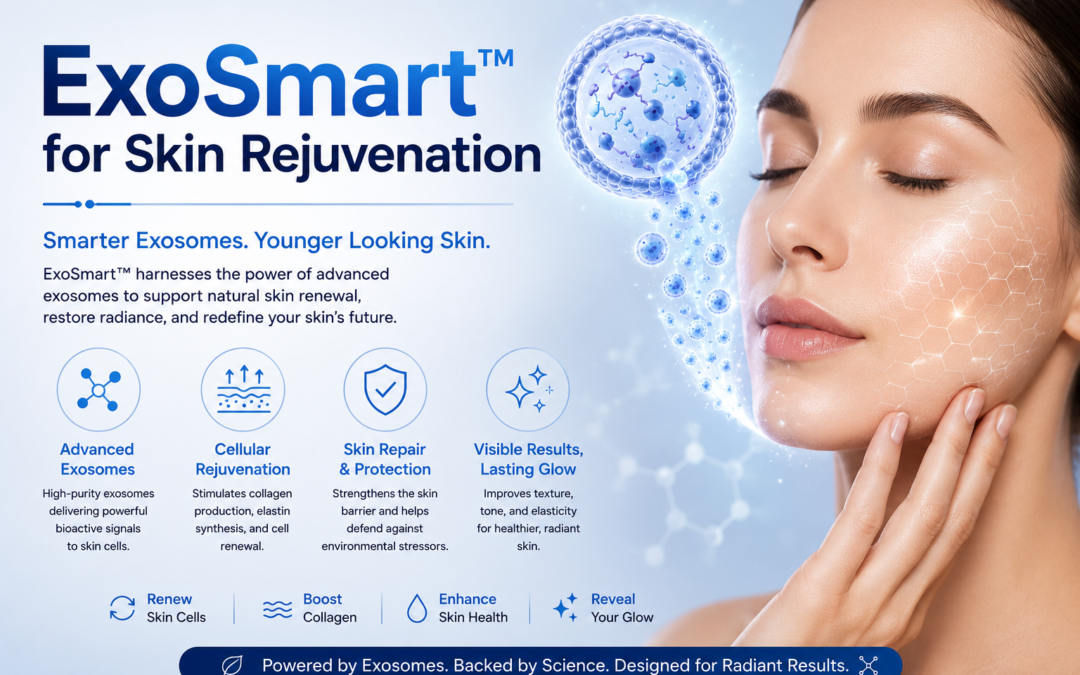
At Javaani Medical & Aesthetic Clinic in High Wycombe, Dr Ahmad and the clinical team are introducing ExoSmart™ autologous exosome technology as part of a medically led regenerative approach for selected hair and skin concerns. Unlike many commercially marketed exosome products derived from donor tissue or laboratory sources, ExoSmart™ uses the patient’s own biology.

This distinction is important not only from a scientific perspective but also in terms of safety, regulatory considerations, biological compatibility, and treatment philosophy.

What Are Exosomes?

Exosomes are microscopic extracellular vesicles naturally released by cells. They function as biological messengers, allowing cells to communicate with one another through complex signalling pathways.

These vesicles contain biologically active material including:

  • Growth factors
  • Cytokines
  • Proteins
  • Lipids
  • microRNA signalling molecules

Exosomes are involved in many biological processes including tissue repair, inflammation modulation, collagen signalling, angiogenesis, and follicular communication within the scalp.

Scientific understanding of exosomes continues to evolve rapidly, particularly within regenerative medicine and dermatology. Their potential role in influencing cellular behaviour has generated significant interest in applications involving hair restoration and skin rejuvenation.

Research suggests that exosomes may help regulate tissue microenvironments through paracrine signalling mechanisms rather than by directly replacing damaged cells.

What Does “Autologous” Mean?

The term autologous means that the biological material originates from the same individual receiving the treatment.

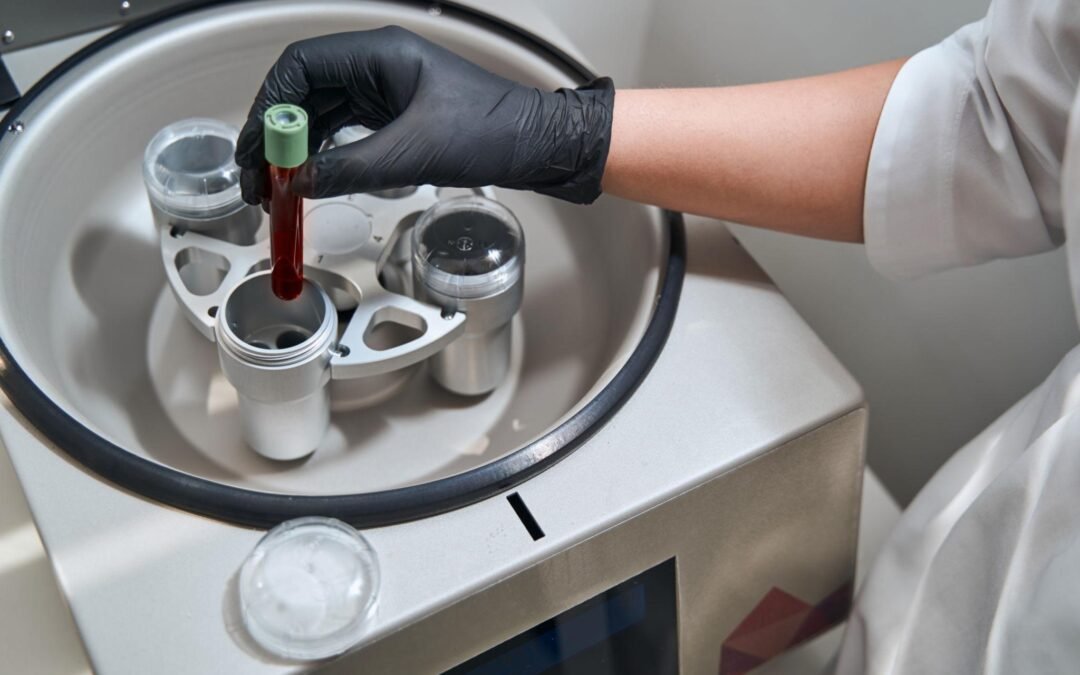
In practical terms, ExoSmart™ uses a sample of the patient’s own blood, processed within the clinic environment to concentrate regenerative biological components. The resulting preparation contains a complex combination of naturally occurring signalling molecules and extracellular vesicles derived entirely from the patient.

This differs fundamentally from many exosome products marketed internationally, which may use:

  • Donor-derived tissue
  • Placental material
  • Umbilical cord sources
  • Laboratory-expanded cell products
  • Animal-derived material

Using autologous biological material may offer several theoretical advantages, including improved biological compatibility and avoidance of foreign donor exposure.

What Is ExoSmart™?

ExoSmart™ is a point-of-care regenerative preparation system designed to concentrate components of the body’s natural secretome. The secretome refers to the collection of biologically active molecules released by cells, including exosomes, proteins, cytokines, and growth factors.

The treatment is performed using a blood sample taken from the patient during the appointment. The sample undergoes specialised processing to concentrate regenerative signalling components before administration into the target treatment area.

At Javaani Clinic, ExoSmart™ is being introduced as part of a broader regenerative medicine philosophy focused on:

  • Hair restoration
  • Skin rejuvenation
  • Tissue quality improvement
  • Biological stimulation rather than artificial volumisation

Unlike many aesthetic trends driven primarily by marketing language, regenerative medicine requires careful clinical framing. ExoSmart™ should not be presented as a “miracle cure” or guaranteed replacement for established therapies. Instead, it represents an evolving biologically based approach built upon principles already explored extensively within platelet-rich plasma (PRP) research.

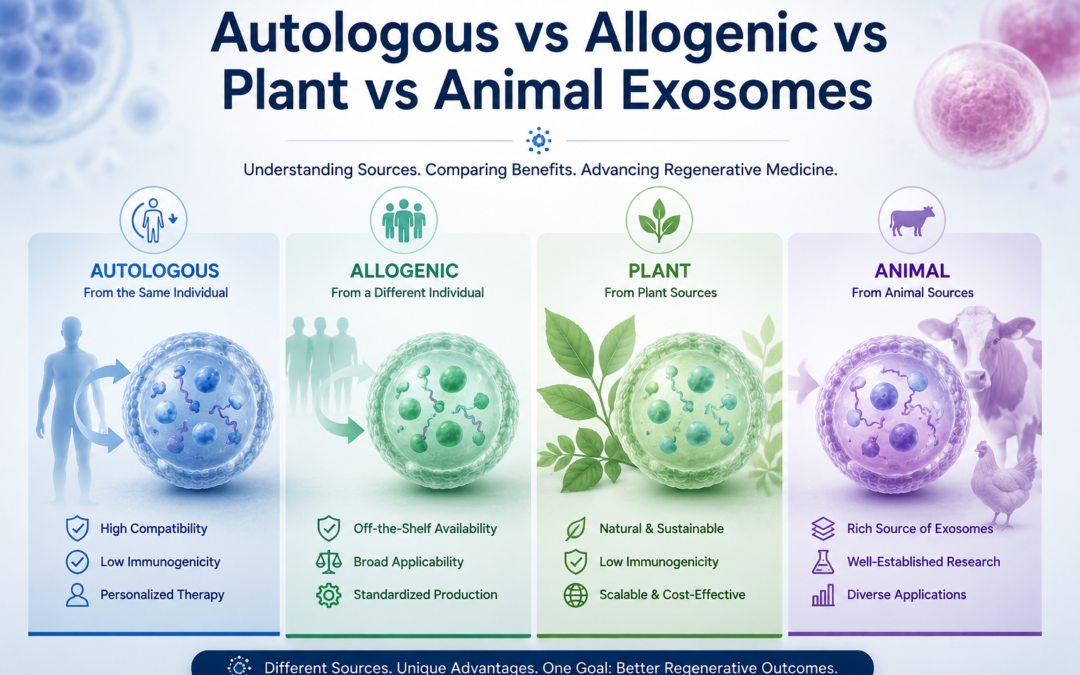
How Autologous Exosomes Differ From Allogenic Exosomes

One of the most important distinctions in the exosome field is the difference between autologous and allogenic exosome products.

Autologous Exosomes

Derived from the patient’s own blood or tissue.

Allogenic Exosomes

Derived from donor biological sources.

Commercially marketed allogenic exosome products may originate from:

  • Umbilical cord tissue
  • Placental tissue
  • Amniotic tissue
  • Donor cell cultures

This distinction matters because regulatory authorities have increasingly scrutinised donor-derived exosome products. The physician document attached to this discussion references FDA warning actions involving several companies marketing allogenic exosome products as unapproved biologics.

At Javaani Clinic, the emphasis is on autologous regenerative approaches because they avoid introducing foreign donor biological material into the patient.

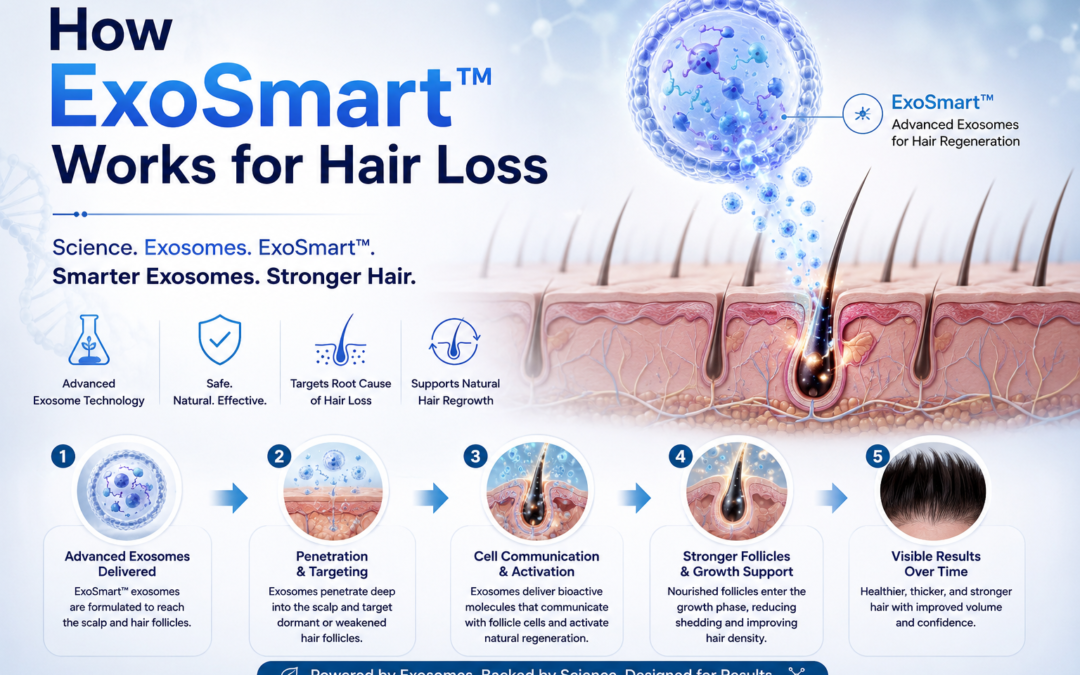
How ExoSmart™ May Support Hair and Skin Regeneration

The biological rationale behind ExoSmart™ centres around signalling rather than replacement.

In hair restoration, regenerative signalling pathways may influence:

  • Hair follicle cycling
  • Follicular microcirculation
  • Inflammatory modulation
  • Dermal papilla communication

In skin rejuvenation, regenerative signalling may influence:

  • Collagen activity
  • Skin texture
  • Dermal quality
  • Tissue repair pathways

The ExoSmart™ physician guide highlights the concept of the “whole secretome hypothesis,” suggesting that biological synergy between exosomes, cytokines, proteins, and growth factors may be more important than isolated exosome fractions alone.

This concept is scientifically important because regenerative biology is unlikely to depend on a single isolated molecule. Instead, complex interactions between biological signalling pathways probably contribute to observed tissue responses

Why Regenerative Medicine Is Evolving Beyond Traditional PRP

Platelet-rich plasma (PRP) has already established a substantial evidence base in hair restoration medicine. The attached physician material references multiple meta-analyses covering approximately 43 randomised controlled trials and nearly 2,000 patients.

This body of evidence suggests that regenerative therapies based on autologous blood-derived signalling may produce measurable improvements in selected patients.

ExoSmart™ should therefore be understood not as a rejection of PRP, but as a further evolution of regenerative processing technologies.

The preparation aims to capture a broader biological signalling environment that includes:

  • Extracellular vesicles
  • Cytokines
  • Exosomes
  • Growth factors
  • Protein signalling molecules

This broader biological framework forms the conceptual basis of modern secretome-based regenerative medicine.

Who May Be Suitable for ExoSmart™?

Potential candidates may include individuals experiencing:

  • Early hair thinning
  • Androgenetic alopecia
  • Reduced hair density
  • Skin quality changes
  • Early skin ageing concerns
  • Patients seeking autologous regenerative approaches

However, patient selection remains critical.

Not every patient is suitable for regenerative therapy, and outcomes may vary depending on:

  • Degree of follicular loss
  • Age
  • Genetics
  • Hormonal influences
  • Overall scalp health
  • Lifestyle and metabolic factors

At Javaani Clinic, candidacy assessment is performed before treatment recommendations are made.

Safety and Clinical Considerations

Autologous regenerative therapies are generally attractive because they utilise the patient’s own biological material. Nevertheless, all medical procedures carry limitations and uncertainties.

The attached ExoSmart™ physician guide correctly emphasises that certain marketing claims commonly seen online should be avoided. For example:

  • Exosomes should not be marketed as a cure for hair loss
  • Long-term maintenance may still be required
  • Ultra-high concentration figures do not automatically prove superior outcomes
  • Clinical evidence remains an evolving field

This balanced approach is essential for ethical regenerative medicine practice.

The Future of Autologous Regenerative Medicine

The regenerative medicine field is developing rapidly, but scientific maturity requires careful interpretation of emerging evidence rather than exaggerated claims.

At Javaani Medical & Aesthetic Clinic, Dr Ahmad’s approach focuses on:

  • Evidence-informed medicine
  • Regulatory awareness
  • Patient safety
  • Realistic clinical expectations
  • Biologically compatible regenerative therapies

Autologous regenerative medicine represents an exciting area of modern aesthetic practice because it attempts to work with the body’s own biological signalling systems rather than relying exclusively on synthetic intervention.

As research evolves, the role of autologous exosome-based therapies in hair restoration and skin rejuvenation will likely continue to expand.

Related Treatments at Javaani Clinic

You may also be interested in:

  • Hair Restoration Treatments
  • PRP for Hair Loss
  • Microneedling & Regenerative Skin Therapy
  • Skin Rejuvenation Treatments
  • Full Regenerative Consultation
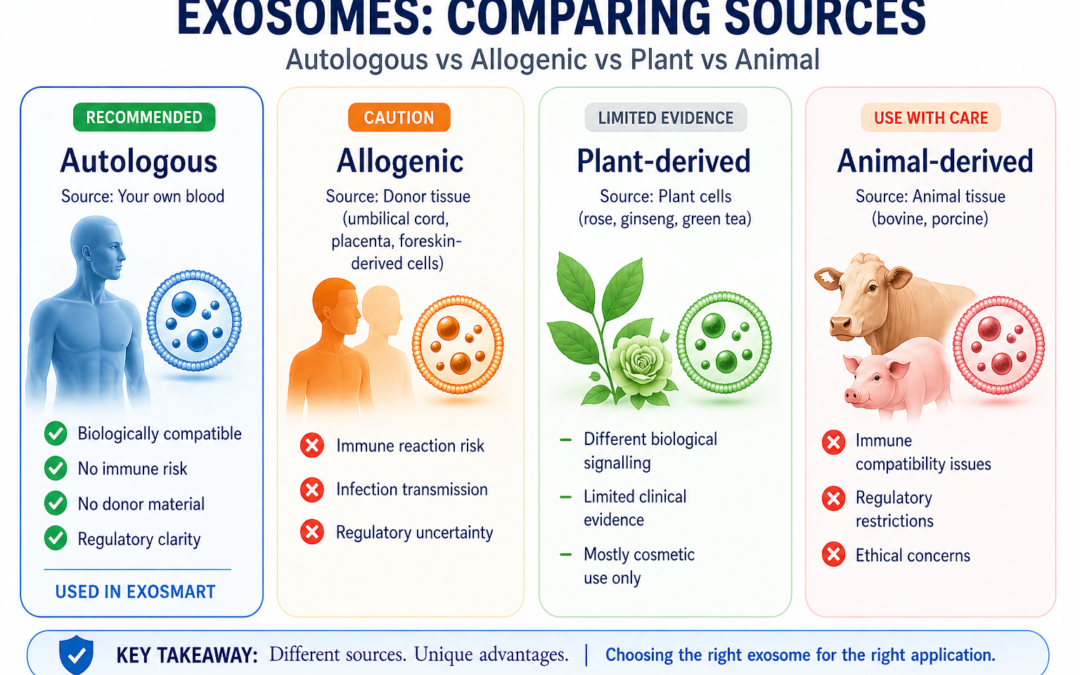
Autologous vs Allogenic vsPlant vs Animal Exosomes

Autologous vs Allogenic vsPlant vs Animal Exosomes

Autologous vs Allogenic vs Plant vs Animal Exosomes: What Patients Need to Know | Javaani

ExoSmart · Patient Guide · Blog 2

Autologous vs Allogenic vs
Plant vs Animal Exosomes

What patients need to know before choosing exosome therapy

Published on Javaani.com ExoSmart Blog — Issue 2 Aesthetic & Regenerative Medicine

Exosome therapy is one of the most talked-about advances in aesthetics and regenerative medicine. But not all exosome treatments are the same — and understanding the differences between types could be the most important research you do before booking a procedure.

As exosome-based treatments become more widely marketed, patients are often presented with options that differ significantly in their source, safety profile, regulatory status, and biological compatibility. This guide breaks down the four main categories of exosomes used in aesthetic medicine today — and explains why the source matters.


The four main types of exosomes used in aesthetic medicine

Not all exosome products begin in the same place. They can be derived from your own body, from a donor, from plants, or from animals. Each comes with its own set of properties, benefits, and risks.

Caution

Allogenic

Source: Donor tissue (umbilical cord, placenta, foreskin-derived cells)

  • Immune reaction risk
  • Infection transmission
  • Regulatory uncertainty
Limited evidence

Plant-derived

Source: Plant cells (rose, ginseng, green tea)

  • Different biological signalling
  • Limited clinical evidence
  • Mostly cosmetic use only
Use with care

Animal-derived

Source: Animal tissue (bovine, porcine)

  • Immune compatibility issues
  • Regulatory restrictions
  • Ethical concerns

Autologous exosomes: a closer look

Autologous exosomes are derived from the patient's own blood. Because they originate within your own biological system, they carry none of the compatibility risks associated with donor or non-human material. The body does not recognise them as foreign — reducing the risk of immune reaction and making the treatment well-tolerated.

This is the principle behind ExoSmart. Rather than introducing external biological material, ExoSmart works with exosomes harvested and concentrated from your own blood sample — keeping the treatment biologically coherent from start to finish.

From a regulatory standpoint, autologous therapies also align more clearly with established medical frameworks. Because no donor material is used, the compliance pathway is more straightforward — an important consideration as regulatory bodies around the world increase scrutiny of exosome-based products.


Allogenic exosomes: what the evidence shows

Allogenic exosomes are sourced from donor tissue — most commonly umbilical cord blood, placenta, or neonatal foreskin-derived cells. Proponents argue these sources are rich in growth factors and regenerative signals. But the risks are meaningful and should not be minimised.

When biological material from another individual is introduced into your body, there is an inherent risk of immune response. There is also a theoretical risk of infection transmission from donor-derived products. Perhaps most significantly, several regulatory authorities — including bodies in the United States — have issued public warnings about unlicensed allogenic exosome products being marketed without adequate safety data.

Patients considering allogenic exosome treatments are encouraged to ask providers specifically about regulatory status, batch testing procedures, and the source of donor material before proceeding.

"In regenerative medicine, safety is not optional.
The safest biological material is your own."

Plant-derived and animal-derived exosomes

Plant-derived exosomes — sometimes marketed under ingredients like rose extract, ginseng, or green tea — are increasingly present in topical skincare products. While they carry low safety risk in cosmetic applications, their relevance to human cell biology is limited. Plant exosomes operate via different signalling mechanisms than human exosomes, and robust clinical evidence for their efficacy in regenerative medicine is currently lacking. Their appropriate place is in cosmetic formulations, not in clinical regenerative procedures.

Animal-derived exosomes, typically bovine or porcine in origin, introduce cross-species compatibility concerns. The immune system is finely tuned to distinguish self from non-self, and introducing material from another species carries a risk of immune reaction. Regulatory frameworks in many jurisdictions also restrict or closely govern the use of animal-derived biological material in human treatments.


When might exosome therapy be appropriate?

Exosome-based treatments are being explored across a range of aesthetic and regenerative indications. Common presentations where patients seek this type of therapy include:

Hair thinning
Hair loss (alopecia)
Skin ageing
Reduced collagen production
Slow tissue repair
Post-procedure recovery

In each of these contexts, the goal is to support the body's own repair and renewal mechanisms. Autologous exosomes are particularly well-suited to this aim — because they are derived from the patient's own biology, they carry the correct cellular signals without the burden of foreign material.


Why the source of your exosomes matters

The exosome therapy market is growing rapidly, and with it comes an increasing volume of marketing that does not always distinguish between fundamentally different types of treatment. A product labelled "exosome therapy" may refer to an autologous procedure with strong safety credentials — or it may refer to a donor-derived or animal-derived product with a very different risk profile.

Patients deserve to understand this distinction clearly. Before consenting to any exosome-based treatment, it is reasonable to ask:

  • Where are the exosomes sourced from?
  • Are they derived from my own body or from external material?
  • What is the regulatory status of this product or procedure?
  • What clinical evidence supports its safety and efficacy?

Key takeaways

  • Exosome therapy is not one single treatment — the source of the exosomes defines the risk profile.
  • Autologous exosomes (from your own blood) offer the greatest biological compatibility and the clearest regulatory position.
  • Allogenic exosomes carry immune and infection risks; some products in this category have attracted regulatory warnings.
  • Plant-derived exosomes operate via different biological pathways and lack robust clinical evidence for regenerative use.
  • Animal-derived exosomes raise immune compatibility and ethical concerns.
  • ExoSmart uses an autologous approach — your own biology, working for you.

Ready to learn more about ExoSmart and the autologous approach?

Explore treatments at javaani.com →

© 2025 Javaani.com · ExoSmart Regenerative Medicine

This content is for informational purposes only and does not constitute medical advice. Consult a qualified practitioner before undergoing any aesthetic or regenerative treatment.

What Are Autologous Exosomes?

What Are Autologous Exosomes?

What Are Autologous Exosomes? A Doctor-Led Guide to ExoSmart for Hair and Skin Regeneration | Javaani
ExoSmart Patient Guide — Part 1 of the Series

ExoSmart · Regenerative Medicine · Doctor-Led Guide

What Are Autologous Exosomes?
A Doctor-Led Guide to ExoSmart
for Hair and Skin Regeneration

How Javaani Clinic is using your own biology to advance hair restoration and skin rejuvenation in the UK.

Published on Javaani.com ExoSmart Blog — Issue 1 Hair Restoration · Skin Rejuvenation Doctor-Led · Medical Governance

Regenerative medicine is rapidly evolving, and one of the most significant advances is the use of exosomes in hair and skin treatment. At Javaani Clinic, we use autologous exosome technology — meaning the treatment is derived entirely from the patient's own blood, not from donor tissue, plants, or animal sources. This distinction is clinically important, and it shapes everything about how ExoSmart works.

Javaani is among the early clinics in the UK to introduce this advanced regenerative approach for hair restoration, skin rejuvenation, and tissue repair. This guide explains the science, the process, and who is most likely to benefit.


What are exosomes?

Exosomes are microscopic biological vesicles — tiny membrane-bound structures — naturally released by your cells. They function as communication messengers, carrying biological signals from one cell to another throughout the body. Think of them as the body's internal postal network for regenerative instructions.

These signals have a direct role in coordinating the body's repair mechanisms. When delivered to the right tissue, they stimulate the processes that drive healing, reduce inflammation, and promote renewal.

Exosomes carry

  • Growth factors
  • Proteins
  • Cytokines
  • Genetic signalling molecules

They help regulate

  • Cell repair
  • Inflammation response
  • Tissue regeneration
  • Hair follicle activity

What does "autologous" mean?

Autologous simply means the treatment originates from the patient's own body. There is no donor material, no animal-derived substance, and no plant-based extract involved. In the context of ExoSmart, the entire preparation is created from a blood sample taken from the patient at the start of the appointment.

This matters because it eliminates the compatibility risks that come with external biological material — immune reactions, infection transmission risk, and donor exposure are all avoided when the treatment is derived entirely from your own biology.

1

Blood is drawn

A small blood sample is taken from the patient at the start of the appointment — similar to a routine blood test.

2

Processed in clinic

The sample is processed using the ExoSmart medical device system, separating and concentrating the regenerative components.

3

Biological healing factors are concentrated

Exosomes, growth factors, proteins, cytokines, and fibrin are isolated into a potent preparation known as the secretome.

4

Preparation is injected into target tissue

The final preparation is precisely injected into the scalp for hair restoration, or into the skin for rejuvenation — delivering the regenerative signals directly where they are needed.


What is ExoSmart?

ExoSmart is a medical device-based system specifically designed to concentrate the body's own regenerative signals. Rather than introducing a standardised product from an external source, ExoSmart creates a preparation that is unique to each patient — drawn from their own blood at the time of treatment.

The preparation contains a combination of exosomes, growth factors, proteins, cytokines, and fibrin. Together, this combined biological mixture is referred to as the secretome — and this integrated biological environment is considered more effective than any single isolated component alone.

"The secretome represents the full biological vocabulary of your own repair system — concentrated and directed to where it is needed most."

How ExoSmart differs from standard PRP

Many patients are familiar with PRP — platelet-rich plasma — a well-established regenerative treatment that has been used in aesthetic medicine and hair restoration for many years. ExoSmart builds on this foundation rather than replacing it.

Component Standard PRP ExoSmart
Platelets Included Included
Growth factors Included Included
Exosomes Not concentrated + Concentrated
Proteins Not concentrated + Concentrated
Cytokines Not concentrated + Concentrated
Fibrin Not concentrated + Concentrated
Signalling molecules Not concentrated + Full secretome

ExoSmart is best understood as an evolution of regenerative therapy — not a departure from it. Patients who have previously had PRP treatments will recognise elements of the process, while benefiting from the additional depth of the secretome preparation.


What conditions can ExoSmart treat?

ExoSmart is used at Javaani Clinic across a range of hair and skin presentations. The most common indications include:

Hair Male pattern hair loss
Hair Female pattern hair loss
Hair Hair thinning and density loss
Skin Skin ageing and texture changes
Skin Acne scarring
Skin Reduced collagen production

Is ExoSmart safe?

Because ExoSmart uses only the patient's own biological material, its safety profile is highly favourable. The body recognises the preparation as its own — eliminating the immune and compatibility risks that come with donor-derived or non-human exosome products.

Allergic reaction risk

Extremely low — the preparation comes from your own blood, so the body does not react to it as foreign.

Donor infection risk

Fully avoided — no donor material of any kind is used in the ExoSmart preparation.

Regulatory position

Clearer than allogenic products — autologous treatments align more readily with established medical frameworks.

Early clinical use of ExoSmart has reported no serious adverse events. As with any injectable treatment, minor temporary reactions such as localised redness or swelling at the injection site may occur, but these resolve quickly and are consistent with the needle-based delivery process rather than the biological preparation itself.


Why Javaani introduced ExoSmart

At Javaani, clinical decisions are governed by four consistent principles: evidence, safety, medical governance, and patient outcomes. ExoSmart was introduced because it meets all four.

It builds on the well-established scientific foundation of PRP — a treatment with a strong evidence base in hair restoration and regenerative aesthetics. ExoSmart extends that foundation by concentrating a wider range of the body's own regenerative signals, offering a more targeted biological approach without introducing external material.

This aligns with Javaani's commitment to offering treatments that are not simply novel, but clinically grounded and medically governed.


Who is a suitable candidate?

ExoSmart may be appropriate for patients presenting with the following:

  • Early to moderate hair thinning where follicles remain active
  • Hair loss that has not responded adequately to topical treatments alone
  • Male or female pattern hair loss in earlier stages
  • Skin ageing, texture changes, or reduced collagen production
  • Acne scarring or post-inflammatory skin changes
  • Preference for a regenerative approach using their own biology

A thorough consultation at Javaani will assess your suitability based on your specific presentation, medical history, and treatment goals. ExoSmart is not a one-size-fits-all solution — it is a precise, patient-specific therapy and is recommended accordingly.


Key takeaways

  • Exosomes are biological messengers that carry regenerative signals between cells — they are central to repair, inflammation control, and tissue renewal.
  • Autologous means the treatment uses your own blood — no donors, no animal sources, no plants.
  • ExoSmart concentrates exosomes alongside growth factors, proteins, cytokines, and fibrin into the full secretome.
  • It is an evolution of PRP therapy — not a replacement — offering a broader and more targeted regenerative preparation.
  • The autologous approach carries extremely low immune risk and avoids donor exposure entirely.
  • Javaani is among the early UK clinics introducing ExoSmart with full medical governance and clinical oversight.

Take the next step

Book a consultation to find out whether ExoSmart is right for you.

Book a consultation → Learn more about ExoSmart

Next in the ExoSmart series — Blog 2

Autologous vs Allogenic vs Plant vs Animal Exosomes: What Patients Need to Know

© 2025 Javaani.com · ExoSmart Regenerative Medicine · Doctor-Led Aesthetic Clinic

This content is for informational purposes only and does not constitute medical advice.
Consult a qualified medical practitioner before undergoing any aesthetic or regenerative treatment.

Menopause & Female Hormone Testing in High Wycombe

Menopause & Female Hormone Testing in High Wycombe

Menopause & Female Hormone Testing in High Wycombe (24–72 Hours, GP-Led)

Are you experiencing hot flushes, fatigue, mood changes, or irregular periods?
These symptoms may be related to perimenopause or menopause, a natural hormonal transition that affects many women between ages 40 and 55.

At Javaani Clinic in High Wycombe, we provide structured, GP-led female hormone testing designed to assess hormonal balance and identify underlying causes of symptoms.

Our testing supports women seeking clarity about:

  • Menopause
  • Perimenopause
  • Hormonal imbalance
  • Fatigue
  • Mood changes
  • Sleep disturbance

Results are typically available within 24–72 hours, allowing timely clinical guidance.

Menopause & Female Hormone Testing in High Wycombe

What Is Menopause and Perimenopause?

Menopause occurs when ovarian hormone production declines, leading to changes in:

Oestrogen
Progesterone
FSH
LH

Perimenopause is the transitional phase before menopause, during which hormone levels fluctuate and symptoms begin.

This stage may last several years and can significantly affect quality of life.

Menopause & Female Hormone Testing in High Wycombe

Common Symptoms of Hormonal Changes

Women often seek testing because of:

Hot flushes
Night sweats
Mood swings
Anxiety
Sleep disturbance
Brain fog
Fatigue
Weight gain
Low libido
Irregular periods

These symptoms may overlap with thyroid, iron, or vitamin deficiencies, which is why structured testing is important.

What Tests Are Included in a Female Hormone Panel?

Your menopause and hormone assessment may include:

FSH
LH
Oestradiol
Progesterone
Testosterone
Prolactin
Thyroid function tests
Vitamin D
Iron and ferritin
Cortisol

This comprehensive evaluation helps distinguish between:

Hormonal transition
Thyroid dysfunction
Iron deficiency
Vitamin deficiency
Stress-related hormonal imbalance

Who Should Consider Menopause or Hormone Testing?

You should consider testing if you:

Are aged 40–55
Have irregular menstrual cycles
Experience hot flushes or night sweats
Have persistent fatigue
Have mood changes or anxiety
Have sleep disturbance
Have weight gain
Have reduced energy or concentration

Testing provides clarity and supports evidence-based treatment decisions.

Turnaround Time and Clinical Oversight

At Javaani Clinic:

Results are typically available within:

24–72 hours

You may request:

Detailed explanation of results
Follow-up consultation
Treatment planning
Letter to your NHS GP

Abnormal findings are escalated appropriately.


Diabetes & HbA1c Blood Testing in High Wycombe

Diabetes & HbA1c Blood Testing in High Wycombe

Diabetes & HbA1c Blood Testing in High Wycombe (24–72 Hours, GP-Led)

Are you concerned about diabetes risk, raised blood sugar, or a family history of type 2 diabetes?
At Javaani Clinic in High Wycombe, we provide structured, GP-led diabetes and metabolic blood testing, designed to detect early changes in glucose metabolism before complications develop.

Many people in Buckinghamshire live with undiagnosed pre-diabetes or type 2 diabetes, often without obvious symptoms. A simple blood test — particularly HbA1c — can provide clear, objective information about your long-term blood sugar control.

Our service focuses on early detection, prevention, and medical clarity, with results typically available within 24–72 hours, processed through The Doctors Laboratory (TDL).

We welcome patients from:

  • High Wycombe
  • Hazlemere
  • Beaconsfield
  • Amersham
  • Marlow
  • Gerrards Cross
  • Great Missenden
  • Surrounding Buckinghamshire areas

Why Test for Diabetes or Prediabetes?

Type 2 diabetes often develops gradually and may remain silent for years.
Early identification allows timely lifestyle or medical intervention to prevent complications affecting:

  • Heart and blood vessels
  • Kidneys
  • Eyes
  • Nerves
  • Weight and metabolism

Many patients seek testing because of symptoms such as:

  • Persistent fatigue
  • Increased thirst
  • Frequent urination
  • Weight gain or difficulty losing weight
  • Family history of diabetes
  • Borderline glucose results
  • Elevated cholesterol or blood pressure

Testing is particularly important if you:

  • Are over age 40
  • Have central abdominal weight
  • Have a sedentary lifestyle
  • Have a family history of diabetes
  • Have high blood pressure
  • Have elevated cholesterol
  • Have been told you are “pre-diabetic”
Diabetes & HbA1c Blood Testing in High Wycombe

Diabetes & HbA1c Blood Testing in High Wycombe

What Is Diabetes & HbA1c Blood Testing and Why Is It Important?

HbA1c measures your average blood sugar over approximately three months, making it one of the most reliable indicators of diabetes risk.

Unlike a single glucose reading, HbA1c provides a long-term metabolic snapshot, which helps guide clinical decisions and risk assessment.

Typical interpretation ranges:

Normal:
Below 42 mmol/mol

Prediabetes:
42–47 mmol/mol

Diabetes:
48 mmol/mol or higher

Early detection allows intervention before complications develop.

Diabetes & HbA1c Blood Testing in High Wycombe

Diabetes & HbA1c Blood Testing in High Wycombe

What Tests Are Included in a Diabetes & Metabolic Panel?

Your structured diabetes testing may include:

  • HbA1c
  • Fasting glucose
  • Insulin
  • Lipid profile (cholesterol)
  • Liver function tests
  • Kidney function tests
  • Inflammatory markers
  • Vitamin D
  • Thyroid function (if clinically indicated)

This integrated approach provides a complete metabolic picture, not just a single number.


Who Should Consider Diabetes Testing?

You should consider testing if you:

  • Feel persistently tired
  • Have unexplained weight gain
  • Have increased abdominal fat
  • Have a family history of diabetes
  • Have high blood pressure
  • Have high cholesterol
  • Are over age 40
  • Have been told your sugar is borderline

Early testing allows prevention rather than treatment of complications.

Turnaround Time and Clinical Oversight

At Javaani Clinic:

Results are typically available within:

24–72 hours

Your results can be:

  • Explained in detail on request
  • Escalated if abnormal
  • Used to guide treatment planning
  • Shared with your NHS GP if requested

This structured approach ensures clinical governance and continuity of care.

Internal Links (SEO Cluster Integration)

You may also find these related services helpful:

Private Blood Tests in High Wycombe
Vitamin D & Fatigue Blood Testing
Cholesterol & Heart Health Blood Testing
Full Body Health Screening
Testosterone & Male Hormone Testing

These interconnected services support comprehensive preventive health care.

Summary

Diabetes often develops silently — but it can be detected early with the right testing.
A structured HbA1c and metabolic assessment provides clarity, reassurance, and a clear plan for prevention.

At Javaani Clinic, our focus is:

Early detection
Clinical accuracy
Preventive medicine

Continuity of care