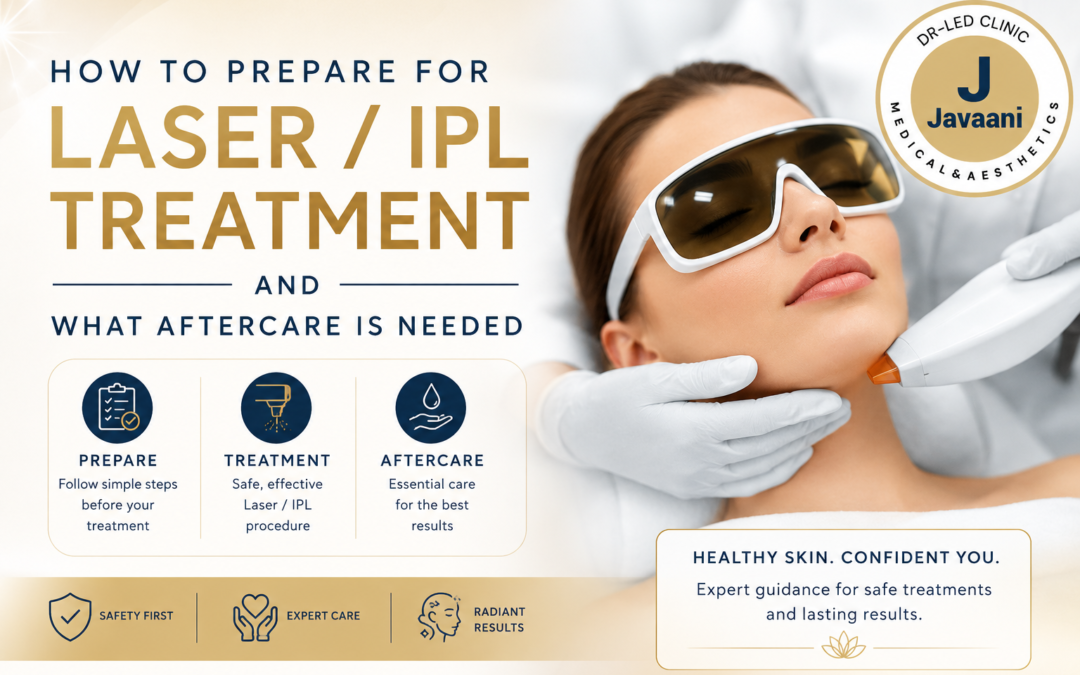
How to Prepare for Laser / IPL Treatment and What Aftercare Is Needed

How to Prepare for Laser / IPL Treatment and What Aftercare Is Needed

Laser and IPL preparation and aftercare at Javaani

Laser and IPL preparation and aftercare at JavaaniLaser and IPL treatments can improve pigmentation, redness, sun damage, acne marks, pores, fine lines
and skin texture. But the quality and safety of your result depends not only on the treatment itself.
Preparation and aftercare are just as important.
At Javaani Medical & Aesthetic Clinic in Hazlemere, High Wycombe, we give each patient tailored advice
based on skin type, treatment area, medical history and the device being used. This blog explains the
general principles patients should understand before booking laser or IPL skin rejuvenation.

Why preparation and aftercare matter

Laser and IPL use controlled light energy to target pigment, redness or collagen remodelling. If the skin is
recently tanned, irritated, inflamed, over-exfoliated or sensitised by skincare, the risk of unwanted side
effects increases.
Good preparation helps the skin tolerate treatment. Good aftercare helps the skin recover, reduces
pigmentation risk and supports better results.

What to do before laser or IPL treatment

Your practitioner will give specific instructions, but common preparation advice includes:

  • Book a consultation before treatment, especially if you have pigmentation, melasma or darker skin.
  • Tell your practitioner about all medications, prescription creams and recent procedures.
  • Use SPF 50 daily for at least several weeks before treatment where possible.
  • Keep the skin barrier calm and hydrated.
  • Avoid new active skincare immediately before treatment.
  • Attend a patch test if advised.
  • Arrive with clean skin and no makeup on the treatment area if instructed.

What to avoid before laser or IPL

Before treatment, avoid anything that increases heat, irritation, photosensitivity or background pigment in the
skin.

Avoid before treatment Why it matters
Sunbathing or sunbeds Tanned skin absorbs more energy and has higher burn/pigmentation risk.
Fake tan Can interfere with light absorption and increase adverse reaction risk.
Harsh exfoliation Can damage the skin barrier and increase sensitivity.
Retinoids/acids close to treatment May increase irritation depending on strength and timing.
Recent chemical peels or aggressive facials The skin may still be inflamed or recovering.
Active acne flare, infection or cold sore Treatment may need to be delayed for safety.

What happens on the day of treatment

On the day of your appointment, the practitioner will usually review your skin, check for recent sun exposure, confirm medical history and ensure there are no new contraindications. Protective eyewear is used, and the treatment area is cleansed. Depending on the treatment, cooling gel or cooling methods may be used.

During IPL you may feel a quick warm snap, similar to an elastic band flicking the skin. During non-ablative laser, you may feel warmth, prickling or a controlled heating sensation. Most patients tolerate these treatments well.

Immediate aftercare after laser or IPL

After treatment, the skin may look pink, warm or slightly swollen. Pigmented areas may temporarily darken before flaking or fading. This can be a normal response, especially after IPL for pigmentation.

General aftercare usually includes:

  • Apply SPF 50 daily and reapply when outdoors.
  • Keep the skin cool and comfortable.
  • Use gentle, fragrance-free skincare if advised.
  • Avoid picking, scratching or scrubbing.
  • Avoid strong active ingredients until advised to restart.
  • Keep the skin hydrated.
  • Follow the exact aftercare plan given at Javaani.

What to avoid after treatment

For the first few days, and sometimes longer depending on treatment intensity, you may be advised to avoid:

  • Direct sun exposure
  • Sunbeds
  • Fake tan
  • Saunas and steam rooms
  • Hot yoga or intense heat exposure
  • Vigorous exercise immediately after treatment
  • Swimming pools if the skin is sensitive
  • Retinoids, acids, scrubs and exfoliating brushes until advised
  • Picking any dry or darkened areas

The exact timeframes vary. Stronger treatment, pigmentation-prone skin and sensitive skin may require a more cautious recovery plan.

SPF 50 is essential

Sun protection is one of the most important parts of laser and IPL aftercare. UV exposure can trigger pigmentation and reduce the quality of your result. This is particularly important when treating pigmentation, melasma, darker skin types or post-inflammatory marks.

We generally recommend broad-spectrum SPF 50, used every morning and reapplied during the day if outdoors. For pigmentation-prone skin, tinted SPF with visible-light protection may also be helpful.

How long is the downtime?

Downtime depends on the treatment type, intensity and your skin response. IPL often causes temporary redness and pigment darkening. Non-ablative laser may cause redness, warmth, dryness, mild swelling or light flaking. Most patients can return to normal daily activities quickly, but social downtime can vary.

Patients should avoid planning laser or IPL immediately before a major event, holiday or period of unavoidable sun exposure.

When should you contact Javaani after treatment?

Contact the clinic promptly if you experience anything that feels more than expected, including:

  • Increasing pain or heat
  • Blistering
  • Crusting beyond expected dryness
  • Marked swelling
  • Signs of infection
  • Unexpected dark patches
  • Pale patches
  • A cold sore outbreak
  • Redness that is worsening rather than settling

Early advice is important. Do not try to self-treat a strong reaction with harsh products or internet remedies.

How to maintain your results

Laser and IPL results can be long-lasting, but they are not permanent if the skin continues to be exposed to UV, inflammation, hormonal triggers or poor skincare habits. Maintenance often includes:

  • Daily SPF 50
  • A personalised skincare plan
  • Maintenance IPL or laser sessions where appropriate
  • Avoiding sunbeds and tanning
  • Managing acne, rosacea or inflammation early
  • Reviewing pigmentation-prone skin regularly

Why choose Javaani for laser/IPL aftercare?

  • Doctor-led aesthetic clinic in Hazlemere, High Wycombe
  • Careful consultation before treatment
  • Local expertise for pigmentation, sun damage, texture and skin rejuvenation
  • Tailored aftercare rather than generic instructions
  • Clear advice on SPF, skincare and treatment timing
  • Support if the skin reacts unexpectedly

Frequently asked questions

Can I have IPL if I have a tan?

Treatment is usually delayed if you have a recent tan, sunburn or fake tan because this increases the risk of burns and pigmentation changes.

Can I wear makeup after IPL?

This depends on your skin response and the treatment area. Your practitioner will advise when it is appropriate to restart makeup.

Why do brown spots look darker after IPL?

Pigmented areas can temporarily darken after IPL before gradually flaking or fading. This can be part of the expected process, but aftercare must be followed.

How soon can I use retinol after laser or IPL?

This depends on the strength of the product and your skin recovery. Restart only when advised by your practitioner.

Can I exercise after laser or IPL?

Intense exercise is often avoided immediately after treatment because heat and sweating can aggravate the skin.

Can I go on holiday after IPL?

It is better to avoid treatment immediately before sunny holidays. Sun exposure after IPL or laser increases pigmentation risk.

Do I need SPF even in winter?

Yes. UVA is present throughout the year and visible light may also contribute to pigmentation in susceptible skin.

Book a laser/IPL consultation at Javaani

If you are planning laser or IPL treatment for pigmentation, redness, sun damage, pores, acne scars or skin rejuvenation, start with a consultation at Javaani Medical & Aesthetic Clinic. We will assess your skin, explain preparation and aftercare, and advise whether laser, IPL or another treatment is most suitable.

Clinic: Javaani Medical & Aesthetic Clinic
Location: 11A Penn Road, Hazlemere, High Wycombe, Buckinghamshire HP15 7LN
Phone: 01494 977935
Email: consultation@javaani.com
Website: Javaani.com
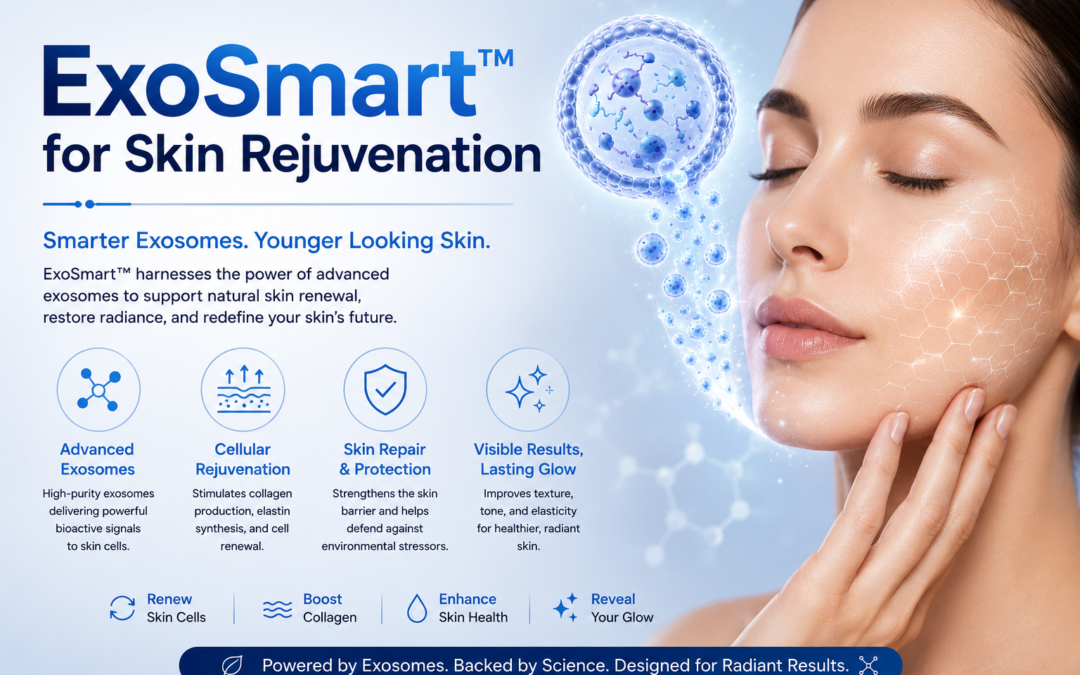
ExoSmart™ for Skin Rejuvenation

ExoSmart™ for Skin Rejuvenation

The Science Behind Autologous Regenerative Skin Therapy

Modern aesthetic medicine is increasingly moving beyond simple volumisation and surface-level cosmetic procedures. Patients today are often looking for treatments that focus on skin quality, tissue health, collagen support, and regenerative improvement rather than merely masking signs of ageing.

This shift has accelerated interest in regenerative medicine and, more specifically, the role of exosome-based therapies in skin rejuvenation.

At Javaani Medical & Aesthetic Clinic in High Wycombe, Dr Ahmad and the clinical team are introducing ExoSmart™ autologous regenerative technology as part of a medically led approach to skin rejuvenation and tissue regeneration.

Unlike many commercially marketed exosome products derived from donor tissue or laboratory-expanded cells, ExoSmart™ uses the patient’s own biology to create a concentrated regenerative preparation designed to support cellular signalling pathways within the skin.

This distinction is important from both a biological and clinical perspective.

Why Skin Ageing Happens

Skin ageing is a complex biological process influenced by multiple factors over time.

These include:

  • Collagen reduction
  • Elastin degradation
  • Oxidative stress
  • Ultraviolet exposure
  • Chronic inflammation
  • Hormonal changes
  • Reduced cellular communication
  • Declining tissue repair mechanisms

As skin ages, it gradually loses:

  • Elasticity
  • Hydration
  • Structural support
  • Dermal density
  • Regenerative efficiency

This contributes to visible changes such as:

  • Fine lines
  • Wrinkling
  • Dullness
  • Reduced skin firmness
  • Texture irregularities
  • Crepey skin quality

Traditional aesthetic procedures often address the visible consequences of ageing. Regenerative medicine instead attempts to influence the biological environment contributing to those changes.

The Rise of Regenerative Aesthetic Medicine

Over the past decade, regenerative medicine has become one of the most important developments within modern aesthetics.

Rather than relying solely on synthetic correction, regenerative approaches aim to support natural tissue biology through cellular signalling and biological stimulation.

This has led to growing clinical interest in:

  • Platelet-rich plasma (PRP)
  • Extracellular vesicle research
  • Secretome-based therapies
  • Autologous regenerative medicine
  • Collagen signalling pathways

The underlying principle is relatively straightforward:

Healthy tissue depends on effective cellular communication.

Regenerative therapies attempt to support or enhance this communication environment.

What Is ExoSmart™?

ExoSmart™ is a point-of-care regenerative processing system designed to produce a concentrated autologous biological preparation using the patient’s own blood.

The resulting preparation contains components associated with regenerative signalling, including:

  • Exosomes
  • Cytokines
  • Growth factors
  • Proteins
  • Fibrin-associated regenerative components

These biological signalling molecules form part of what is known as the secretome — the collection of substances naturally released by cells to communicate with surrounding tissue.

According to the ExoSmart™ physician guide, regenerative activity may depend on the interaction between multiple signalling components rather than isolated exosomes alone.

This “whole secretome” concept is becoming increasingly important within regenerative medicine research.

How Autologous Regenerative Signalling May Support Skin Quality

The skin is a biologically active organ that constantly undergoes repair, renewal, and communication between cells.

Exosomes are believed to participate in this process by carrying signalling molecules involved in:

  • Cellular communication
  • Tissue repair pathways
  • Collagen signalling
  • Inflammatory modulation
  • Angiogenesis
  • Dermal support mechanisms

Regenerative therapies such as ExoSmart™ aim to support the biological environment of the skin rather than artificially replacing tissue.

This is an important conceptual difference.

The objective is not simply to “fill” or “freeze” the skin, but to support tissue quality and regenerative signalling within the dermal environment.

Patients increasingly seek this more natural regenerative philosophy, particularly when concerned about:

  • Early ageing changes
  • Skin texture decline
  • Dullness
  • Reduced elasticity
  • Thin or fragile skin quality

Exosomes, Cytokines and the Skin Microenvironment

Modern regenerative medicine increasingly focuses on the concept of the skin microenvironment.

This refers to the complex ecosystem surrounding skin cells, including:

  • Extracellular matrix support
  • Immune signalling
  • Blood supply
  • Fibroblast activity
  • Collagen architecture
  • Cellular communication pathways

As this environment deteriorates with age, visible skin quality often declines.

Exosomes and cytokines are thought to contribute to these signalling systems through paracrine communication mechanisms.

The attached ExoSmart™ physician material highlights that isolated exosome fractions alone may not reproduce the same biological effects as the full secretome environment.

This reinforces the growing scientific interest in broader autologous regenerative preparations rather than isolated laboratory-derived components.

ExoSmart™ vs Traditional PRP Skin Treatments

Platelet-rich plasma (PRP) remains one of the most established regenerative procedures in aesthetic medicine.

PRP primarily focuses on platelet-derived growth factor signalling.

ExoSmart™ aims to build upon this regenerative concept by concentrating a broader range of biological signalling components associated with the secretome.

This may include:

  • Extracellular vesicles
  • Cytokine signalling
  • Protein mediators
  • Regenerative communication pathways

Importantly, ExoSmart™ should not be presented as a guaranteed replacement for established treatments. Instead, it represents an evolving regenerative technology within a rapidly developing scientific field.

At Javaani Clinic, the emphasis remains on evidence-informed treatment planning and medically realistic patient expectations.

Who May Be Suitable for ExoSmart™ Skin Therapy?

Potential candidates may include individuals concerned about:

  • Early skin ageing
  • Reduced skin quality
  • Fine lines
  • Loss of skin vitality
  • Texture irregularities
  • Dull or tired-looking skin
  • Skin thinning
  • Acne scar quality

Patients seeking regenerative approaches using their own biology may also find autologous therapies appealing.

However, candidacy assessment remains important because regenerative medicine is not suitable for every patient or every skin concern.

At Javaani Clinic, consultations are designed to assess individual suitability before treatment recommendations are made.

What Happens During Treatment?

Treatment generally involves:

  1. Collection of a blood sample
  2. Regenerative processing using the ExoSmart™ system
  3. Preparation of the autologous regenerative concentrate
  4. Administration into targeted treatment areas

Depending on the treatment plan, regenerative therapy may sometimes be combined with procedures such as microneedling to support delivery and tissue stimulation.

Because the preparation is autologous, no donor-derived biological material is introduced into the patient.

Safety and Clinical Considerations

Safety and scientific integrity remain essential within regenerative medicine.

The ExoSmart™ physician material correctly emphasises that regenerative therapies should not be marketed using exaggerated or unsupported claims.

Patients should be cautious of statements such as:

  • “Permanent anti-ageing”
  • “Stem cell facelift”
  • Guaranteed collagen regeneration
  • Instant skin reversal claims

At Javaani Clinic, Dr Ahmad’s approach focuses on:

  • Medical governance
  • Ethical patient education
  • Evidence-informed care
  • Realistic treatment expectations

This balanced philosophy is particularly important in rapidly evolving fields such as regenerative aesthetics.

The Future of Regenerative Skin Medicine

Regenerative medicine is likely to become an increasingly important part of aesthetic practice over the coming decade.

As scientific understanding of extracellular vesicles, cytokines, and cellular communication pathways evolves, treatments designed to support tissue biology may continue to develop alongside traditional aesthetic procedures.

ExoSmart™ represents part of this broader movement toward biologically informed regenerative therapies that work with the body’s natural signalling systems.

At Javaani Medical & Aesthetic Clinic, the emphasis remains on combining:

  • Scientific credibility
  • Patient safety
  • Regenerative philosophy
  • Medical oversight
  • Ethical aesthetic medicine

This integrated approach is central to the future of medically led regenerative aesthetics.

Related Treatments at Javaani Clinic

You may also be interested in:

  • ExoSmart™ Hair Restoration
  • PRP Skin Rejuvenation
  • Microneedling & Regenerative Therapy
  • Polynucleotide Treatments
  • Full Skin Consultation
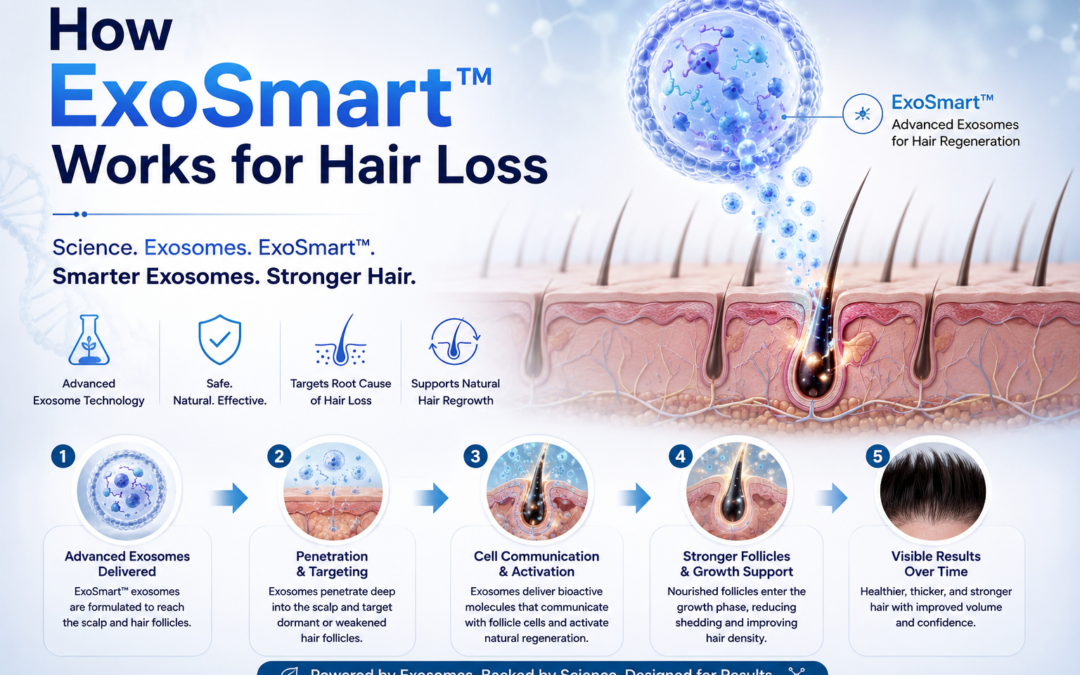
How ExoSmart™ Works for Hair Loss

How ExoSmart™ Works for Hair Loss

How ExoSmart™ Works for Hair Loss

Hair loss affects millions of men and women worldwide and is often far more psychologically significant than many people realise. While conventional treatments such as topical medications, oral therapies, and hair transplantation continue to play an important role, regenerative medicine is introducing new approaches aimed at supporting the biological environment of the hair follicle itself.

One of the most rapidly evolving areas within regenerative hair medicine is the use of autologous exosome-based therapies.

At Javaani Medical & Aesthetic Clinic in High Wycombe, Dr Ahmad and the clinical team are introducing ExoSmart™ autologous regenerative technology as part of a medically led approach to hair restoration and scalp rejuvenation.

Unlike many commercially marketed donor-derived exosome products, ExoSmart™ uses the patient’s own biology, focusing on regenerative signalling pathways that may support follicular activity and scalp tissue health.

Understanding Hair Loss

Hair loss is not a single condition.

There are many different causes, including:

  • Androgenetic alopecia (male and female pattern hair loss)
  • Hormonal changes
  • Stress-related shedding
  • Nutritional deficiency
  • Inflammatory scalp conditions
  • Age-related follicular miniaturisation

In androgenetic alopecia, hair follicles gradually shrink over time in response to genetic and hormonal influences. This process is called miniaturisation.

As follicles miniaturise:

  • Hair becomes finer
  • Growth cycles shorten
  • Hair density reduces
  • Follicles may eventually become inactive

Modern regenerative medicine aims to support the biological environment surrounding these follicles before irreversible loss occurs.

Why Regenerative Medicine Is Changing Hair Restoration

Traditional hair restoration therapies largely focus on blocking hormonal pathways or surgically redistributing follicles.

Regenerative medicine approaches hair loss differently.

Instead of simply replacing hair, regenerative therapies aim to influence the scalp microenvironment through biological signalling.

This may involve supporting:

  • Tissue repair pathways
  • Cellular communication
  • Microcirculation
  • Growth signalling
  • Inflammatory regulation

This concept forms the scientific foundation behind platelet-rich plasma (PRP), extracellular vesicle research, and autologous secretome therapies such as ExoSmart™.

What Is ExoSmart™?

ExoSmart™ is a point-of-care regenerative processing system that uses the patient’s own blood to produce a concentrated autologous biological preparation.

The preparation contains components associated with the body’s regenerative signalling systems, including:

  • Exosomes
  • Cytokines
  • Growth factors
  • Protein signalling molecules
  • Fibrin-based regenerative components

The treatment is designed to concentrate elements of the body’s natural secretome, which refers to the collection of biologically active molecules released by cells.

According to the ExoSmart™ physician guide, regenerative signalling may depend on the interaction between multiple biological components rather than isolated exosomes alone.

This “whole secretome” concept is increasingly important within regenerative medicine research.

How Autologous Exosomes May Support Hair Growth

Hair follicles are biologically active mini-organs that depend on constant cellular communication.

Exosomes act as signalling vesicles that help cells exchange information. Researchers believe these signalling pathways may influence processes involved in:

  • Hair follicle cycling
  • Dermal papilla signalling
  • Cellular communication
  • Tissue repair
  • Scalp vascular support
  • Inflammatory modulation

The goal of regenerative therapy is not to create entirely new follicles. Instead, it aims to support existing follicles and improve the biological environment in which they function.

This distinction is important because ethical regenerative medicine should avoid exaggerated claims such as “instant hair regrowth” or “guaranteed follicle regeneration.”

At Javaani Clinic, patient education forms a central part of treatment planning.

The Importance of the Hair Follicle Microenvironment

Modern hair research increasingly focuses on the concept of the follicular microenvironment.

This refers to the biological ecosystem surrounding each follicle, including:

  • Blood supply
  • Signalling molecules
  • Immune activity
  • Extracellular matrix support
  • Inflammatory balance

When this environment deteriorates, follicular performance may decline.

Regenerative therapies such as ExoSmart™ aim to support this biological environment through autologous signalling pathways derived from the patient themselves.

This is one reason regenerative medicine is increasingly viewed as complementary to traditional hair restoration rather than simply an alternative to it.

ExoSmart™ vs Traditional PRP

Platelet-rich plasma (PRP) remains one of the most established regenerative treatments in hair restoration medicine.

The ExoSmart™ physician guide references substantial published PRP evidence, including meta-analyses covering approximately 43 randomised controlled trials involving nearly 2,000 patients.

PRP primarily focuses on platelet-derived growth factors.

ExoSmart™ attempts to broaden this regenerative signalling environment by concentrating additional secretome components including extracellular vesicles and cytokine pathways.

This does not necessarily mean ExoSmart™ “replaces” PRP. Instead, it represents a further evolution of autologous regenerative processing technologies.

Who May Be Suitable for ExoSmart™ Hair Restoration?

Potential candidates may include:

  • Men with early hair thinning
  • Women experiencing diffuse hair density reduction
  • Patients with androgenetic alopecia
  • Individuals seeking medically led regenerative options
  • Patients interested in autologous therapies

The best outcomes are generally expected when follicles remain biologically active.

Patients with advanced follicular loss or complete scalp fibrosis may require alternative approaches such as hair transplantation.

At Javaani Clinic, treatment suitability is assessed during consultation with Dr Ahmad before recommendations are made.

What Happens During Treatment?

Treatment typically involves:

  1. Blood collection
  2. Regenerative processing using the ExoSmart™ system
  3. Preparation of the autologous secretome concentrate
  4. Administration into targeted scalp areas

The procedure is minimally invasive and performed within the clinic setting.

Because the preparation is autologous, no donor tissue or foreign biological material is introduced.

Safety and Clinical Considerations

Patient safety remains one of the most important considerations in regenerative medicine.

Because ExoSmart™ uses the patient’s own biological material, theoretical risks associated with donor-derived products may be reduced.

However, it is equally important to maintain realistic expectations.

Regenerative medicine remains an evolving field, and responsible clinics should avoid unsupported claims such as:

  • Permanent hair regrowth guarantees
  • “Stem cell cures”
  • Unrealistic density restoration promises

The attached physician material also highlights that higher exosome concentration figures do not automatically prove superior clinical outcomes.

At Javaani Clinic, the emphasis is on medically supervised, evidence-informed regenerative care rather than marketing hype.

The Future of Regenerative Hair Medicine

Hair restoration medicine is evolving rapidly.

As scientific understanding of extracellular vesicles, secretomes, and regenerative signalling improves, autologous biologically based therapies may become increasingly integrated into modern hair management strategies.

ExoSmart™ represents part of this broader movement toward regenerative medicine approaches designed to support tissue biology rather than simply masking symptoms.

At Javaani Medical & Aesthetic Clinic, Dr Ahmad’s philosophy focuses on combining:

  • Medical governance
  • Scientific credibility
  • Patient education
  • Ethical regenerative practice
  • Individualised treatment planning

This balanced approach is essential as regenerative medicine continues to develop.

Related Treatments at Javaani Clinic

You may also be interested in:

  • PRP Hair Restoration
  • Hair Loss Blood Testing
  • Microneedling for Hair Regeneration
  • Regenerative Skin Rejuvenation
  • Full Hair Restoration Consultation
Laser Hair Removal in High Wycombe

Laser Hair Removal in High Wycombe

Laser Hair Removal in High Wycombe

Introduction

Are you tired of the constant battle with unwanted hair? Say goodbye to razors, waxing strips, and messy hair removal creams, and embrace the wonders of Laser Hair Removal in High Wycombe. In this comprehensive guide, we'll explore the benefits of this revolutionary hair removal technique and how it can help you achieve smooth and hair-free skin. Whether you're a first-timer or looking for a reliable clinic in High Wycombe, we've got you covered!

The Advantages of Laser Hair Removal

Laser Hair Removal is a cutting-edge cosmetic procedure that uses concentrated beams of light to target hair follicles, preventing further hair growth. Unlike traditional hair removal methods, laser treatments offer numerous benefits, such as:

a. Long-lasting Results: With each session, you'll notice a significant reduction in hair growth. Multiple treatments lead to semi-permanent or even permanent results, saving you time and effort in the long run.

b. Precision and Safety: The laser's ability to target hair follicles precisely ensures that surrounding skin remains unaffected. This makes it a safe and effective option for various body areas, including the face, arms, legs, and bikini line.

c. Minimal Discomfort: Laser Hair Removal is virtually painless, with most patients describing it as a slight tingling sensation. Modern technologies have significantly improved the comfort level of the procedure.

Understanding the Laser Hair Removal Process

Before undergoing Laser Hair Removal, it's essential to comprehend how the procedure works. The process involves several stages:

a. Consultation: A reputable clinic in High Wycombe will begin with a consultation, during which a trained professional will assess your skin type, hair color, and medical history. This evaluation helps determine the appropriate laser settings for optimal results.

b. Preparation: Prior to the treatment, you may be advised to avoid sun exposure and hair removal methods that target the hair root, such as plucking or waxing.

c. Treatment: During the session, the laser will be directed at the target area, emitting pulses of light that penetrate the hair follicles. The heat from the laser disables the follicles, hindering future hair growth.

d. Post-Treatment Care: Following the procedure, you might experience mild redness or sensitivity in the treated area. Practicing proper aftercare, such as using sunscreen and moisturizing, helps to promote a speedy recovery.

Choosing the Right Clinic in High Wycombe

To ensure a safe and successful Laser Hair Removal experience, selecting a reputable clinic in High Wycombe is crucial. Here are some tips for finding the best one:

a. Experience and Expertise: Look for clinics with certified and experienced technicians who have a proven track record of performing Laser Hair Removal treatments.

b. Advanced Technology: Ensure that the clinic uses state-of-the-art laser equipment that caters to various skin types and hair colors.

c. Client Reviews: Check online reviews and testimonials from previous clients to gauge the clinic's reputation and customer satisfaction.

d. Customized Treatment Plans: A reliable clinic will offer personalized treatment plans tailored to your specific needs and concerns.

Conclusion

If you're searching for Laser Hair Removal in High Wycombe, you're on the path to smoother, hair-free skin! This innovative procedure provides long-lasting results, precision, and minimal discomfort. By understanding the process and choosing a reputable clinic, you'll be one step closer to achieving the confidence-boosting results you desire. Say goodbye to unwanted hair and hello to a more carefree and confident you with Laser Hair Removal in High Wycombe!

PRP Treatment for Hair Rejuvenation

PRP Treatment for Hair Rejuvenation

Introduction:

Hair loss can be a distressing experience for both men and women, impacting self-confidence and overall well-being. Fortunately, advancements in aesthetic medicine have led to the development of innovative treatments for hair rejuvenation. One such treatment is PRP (Platelet-Rich Plasma) therapy combined with microneedling. In this blog, we will explore the effectiveness and long-lasting results of this treatment performed at Javaani Aesthetic Clinic by the renowned Dr. Ahmad, who is widely regarded as one of the best aesthetic doctors in the UK.

PRP Treatment for Hair Rejuvenation:

PRP therapy is a non-surgical procedure that utilizes the patient's blood to stimulate hair growth. It involves extracting a small amount of blood, processing it to concentrate the platelet-rich plasma, and then injecting it into the scalp. PRP contains growth factors and cytokines that promote tissue repair and regeneration. Microneedling, on the other hand, is a minimally invasive technique that creates tiny punctures in the skin using a device with fine needles. These micro-injuries stimulate the body's natural healing response, triggering collagen production and increasing blood flow to the treated area. When combined with PRP, microneedling enhances the absorption and effectiveness of the growth factors, leading to improved hair follicle health and hair growth.

Effectiveness of PRP Treatment with Microneedling:

The combination of PRP and microneedling has shown promising results in hair rejuvenation. The growth factors present in PRP stimulate the hair follicles, promote new blood vessel formation, and improve the overall health of the scalp. Microneedling creates channels in the scalp that facilitate the delivery of PRP into the deeper layers of the skin, maximizing its effectiveness. This treatment is particularly beneficial for individuals experiencing early stages of hair loss, and it can also be used as a preventative measure for those with a family history of hair thinning. PRP therapy with microneedling has been known to increase hair density, improve hair thickness, and reduce hair shedding.

Long-Lasting Results:

One of the significant advantages of PRP treatment with microneedling is its long-lasting results. While individual experiences may vary, most patients observe improvements in hair growth and texture within a few months of treatment. The regenerative effects of PRP continue to work in the months following the procedure, leading to sustained hair rejuvenation. The longevity of the results can be further enhanced through maintenance treatments.
Dr. Ahmad at Javaani Aesthetic Clinic devises personalized treatment plans that may include follow-up sessions to ensure optimal outcomes. Regular check-ups and consultations with the doctor help monitor progress and adjust the treatment as needed.

Dr. Ahmad: The Best Aesthetic Doctor in the UK:

Dr. Ahmad is widely recognized as one of the best aesthetic doctors in the UK, and his expertise in PRP treatment for hair rejuvenation is renowned. With years of experience and a commitment to patient satisfaction, Dr. Ahmad combines his extensive knowledge of aesthetic medicine with a compassionate approach to provide exceptional care. His personalized treatment plans prioritize patient goals, ensuring that each individual receives a tailored approach to hair rejuvenation. Dr. Ahmad's expertise, attention to detail, and dedication to achieving natural-looking results have earned him a reputation as a trusted professional in the field of aesthetic medicine.

Conclusion:

PRP treatment for hair rejuvenation with microneedling offers an effective and long-lasting solution for individuals struggling with hair loss. The combination of PRP therapy and microneedling stimulates hair follicle health, leading to improved hair density and thickness. Dr. Ahmad, the esteemed aesthetic doctor at Javaani Aesthetic Clinic, provides exceptional care and personalized treatment plans to ensure optimal results. If you're looking to restore your hair's vitality and regain your confidence, PRP treatment with microneedling could be the ideal solution for you.