Laser Skin Resurfacing

Laser Skin Resurfacing

Laser Skin Resurfacing

Laser Skin Resurfacing at Javaani

Hazlemere, HighWycombe, Amersham, Beaconsfield, Chesham, Loudwater, and Slough
Laser Skin Resurfacing

Laser skin resurfacing is one of the most advanced rejuvenating treatments available in the aesthetic clinics. There are various lasers used in skin resurfacing treatment and they all have their pros and cons. Most used resurfacing lasers include Erbium Yag, Fraxel, Co2 laser and Erbium Glass.

Erbium glass laser is one of the recent additions to Laser Skin Resurfacing treatments and its wavelength is 1540nm. Depending on the wavelengths, lasers penetrate the skin up to different levels. Some lasers like Co2 and Erbium Yag only penetrate the epidermis and thus cause ablation of the superficial skin layer resulting in rejuvenation. Unlike Erbium YAG and CO2 lasers, Erbium Glass uses a 1540nm wavelength which has a greater depth of penetration and a slightly lower water absorption level, which means non-ablative treatments that stimulate a dramatic

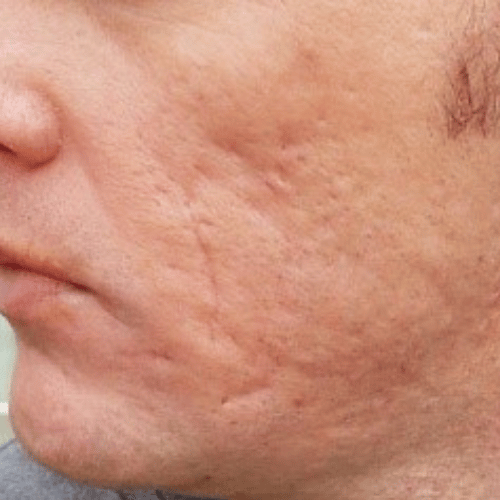
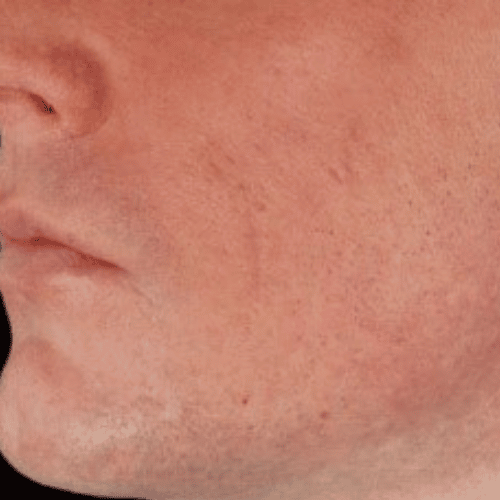
remodelling of the dermis and epidermis without the pain and downtime associate with ablative lasers. This depth of penetration is ideal for fine to moderate wrinkles, acne scarring, and overall rejuvenation.

See the illustration below to appreciate the difference in the level of penetration of this laser as compared to others.

Laser Skin Resurfacing

Erbium Glass penetrates the skin up to the level of upper dermal level. It stimulates production of new collagen and elastin. The new collagen and elastin moves towards the surface which results into remodelling of the skin and improvement in lines, wrinkles and scars.

Laser Skin Resurfacing

For the treatment of pigmentation most other lasers target melanin containing cells in the dermis. They shatter these cells to break down the pigment. This method is effective in treating pigmentation but carries a risk of hyperpigmentation as well. Fractional Erbium Glass laser reduces unwanted pigmentation by stimulating the skin to remodel but without affecting pigment cells. This is especially useful for treating darker skin types as the fractional laser’s 1540nm wavelength has no absorption by melanin.

Laser Skin Resurfacing

What areas can be treated with Erbium Glass?

Face, including specific areas such as around the eyes or mouth.

Neck

Chest (decolletage)

Arms and hands

Abdomen, hips, and thighs for stretch marks

What should be done before attending for treatment?

  • Avoid tanning or excessive sun exposure.
  • Avoid harsh chemicals, irritants, perfumes, and deodorants.

What results can be expected?

  • Reduction of fine lines and wrinkles
  • Treatment of age spots and sunspots
  • Treatment of uneven skin tone
  • Improved skin texture
  • Reduction in size of large pores
  • Skin tightening
  • Removal of freckles
  • Improved stretch marks
  • Treatment of acne scars, surgical scars, caesarean scar and burn scars

What are the expected side effects?

A sun burn sensation, redness and warmth may be felt for up to few hours after the resurfacing treatment. A cold compress and aloe vera gel will be applied on your skin to minimise this. The pinkish appearance on the skin can sometimes last 2-3 days. After the treatment you can usually return to work and other daily activities.

When can the results be seen?

The results of laser resurfacing are both immediate and progressive. Soon after the treatment, the surface of your skin will feel softer and smoother, look brighter and have a more even tone. As this is a non-ablative laser treatment the uppermost layer of skin remains in place thus providing rapid healing. In the following 3-4 weeks there is production of new collagen and elastin which migrates towards the surface of the skin showing the positive results.

How many sessions will I need?

Non-ablative fractional laser treatments are typically recommended as a course of 4-6 sessions with a 4–5-week interval. Although non-ablative lasers typically require more treatment sessions than ablative, the greater level of comfort, zero downtime and lower risk makes the treatments well-received by a larger group of clients.

What aftercare is required?

  • Protect skin from any harsh and harmful chemical in the following week after treatment
  • Protect against Sun light, using SPF 50.
  • Stay well hydrated and eat healthy.
  • Specific skin care would be advised by your practitioner according to your skin condition and need.

Results

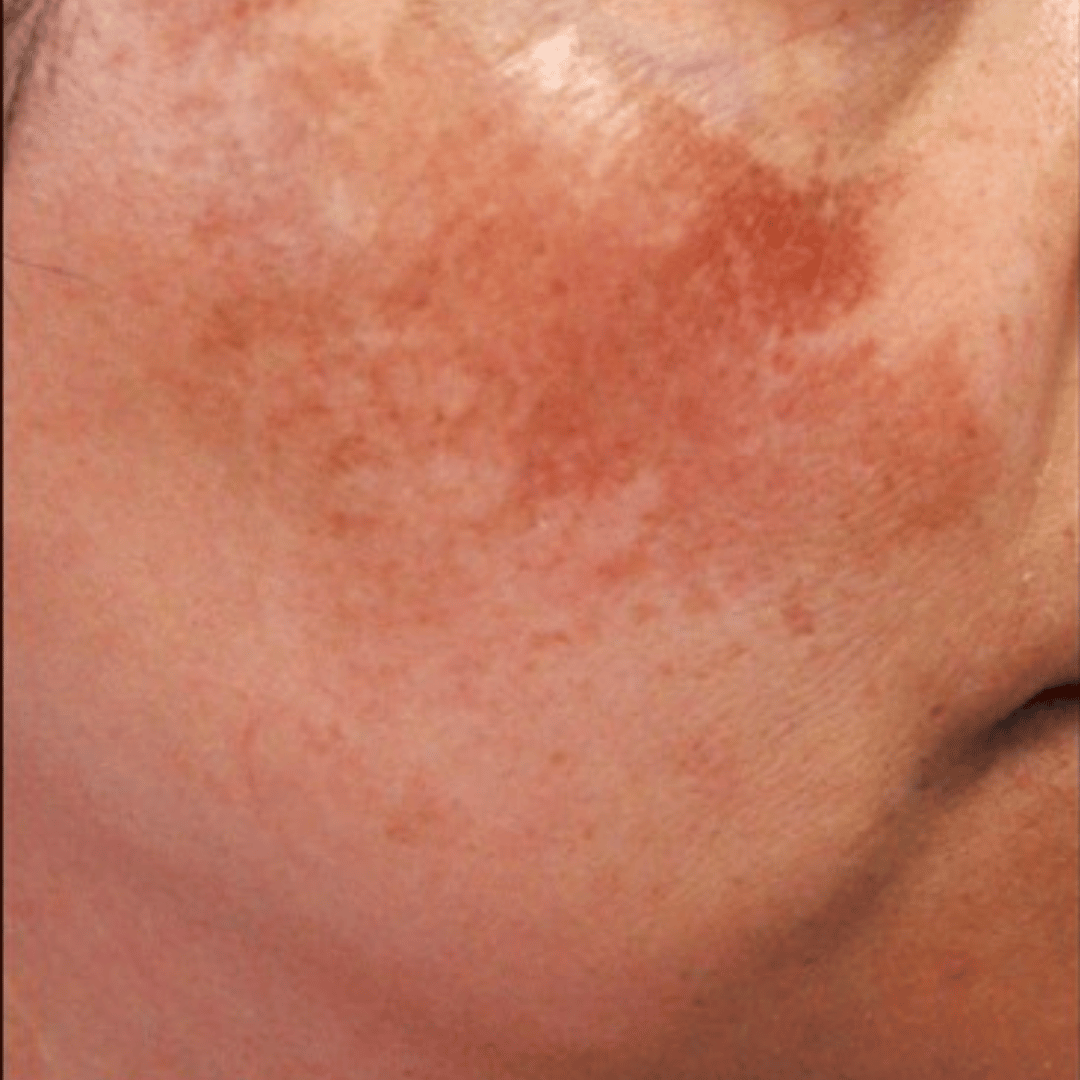
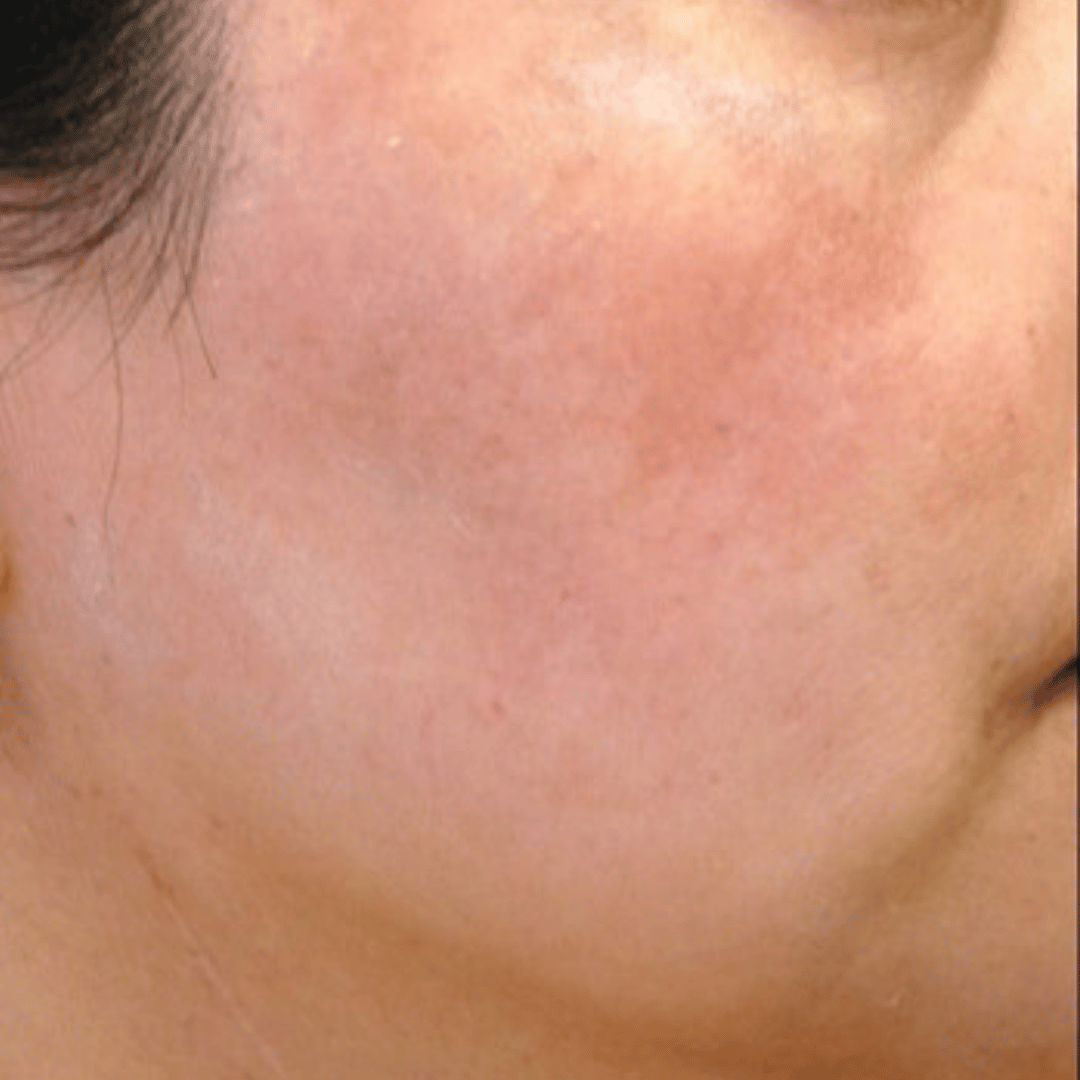
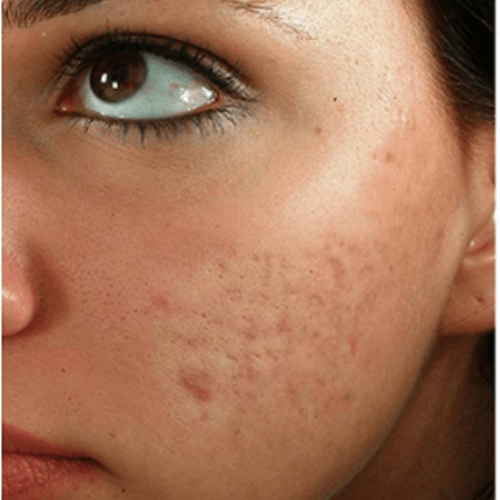
See the following results achieved treating pigmentation with the fractional laser. As you can see, the pigmentary lesion is dramatically reduced while also improving the upon the laxity/tightness of the skin and reducing fine lines.
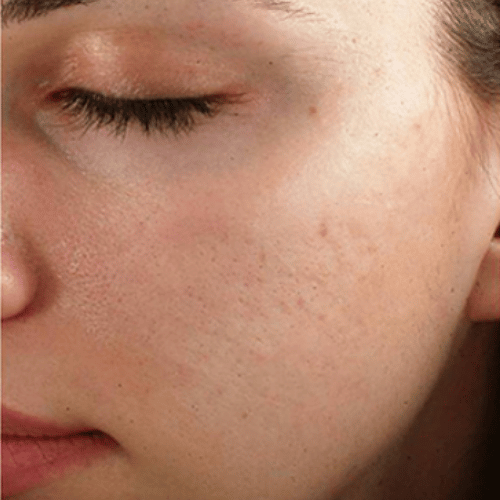
 

Choosing the right clinic and the right practitioner is key to getting the very best results from your treatment. At Javaani Aesthetic Clinic in Hazlemere, High Wycombe we don’t use ‘aesthetic grade’ lasers which are very often under-powered and carry greater risks of complications than their medical grade equivalents. Laser equipment at Javaani Clinic is MHRA approved, medical grade, and CE marked. Our practitioners are certified and ensured, and the team is led by Dr Ahmad.
Best Laser Hair Removal Treatment

Best Laser Hair Removal Treatment

Best Laser Hair Removal Treatment

If you are looking for the Best Laser Hair Removal Treatment in Hazlemere, High Wycombe  Beaconsfield, Amersham, Chesham, Loudwater, and Totteridge then you are in the right place. We provide extensive experience in laser hair removal for both women and men. For more information please send us an inquiry. We focus on giving offers of our customers expert-led, safe, and affordable treatment in Hazlemere, High Wycombe  Beaconsfield, Amersham, Chesham, Loudwater,  Totteridge, Gerrards Cross, and  Slough.

Bare your skin with us!

Yes, long-term hair removal is possible, and you can get it safely in Hazlemere, High Wycombe, too! Eliminate unsightly/unwanted hair with Javaani Hair Removal System and get silky-smooth results now!

Clinically proven Medical Grade aesthetic technology assuring:

  • Instant, permanent results
  • Fast & painless
  • Treats all areas
  • Suitable for light & dark skin
  • Recommended by VTCT


Laser Hair Removal

Advantage of Laser IPL Hair Removal

Conventional hair removal options like plucking, shaving, or waxing are inconvenient, especially if you have a busy lifestyle and desire exceptional results.

The benefits of laser hair removal to address concerns about unsightly hair are:

  • Say goodbye to razor burns and “chicken skin”
  • No more time-consuming shaving/plucking
  • Works on all skin types for women and men, too!
  • Targets hair on the face, chest, arms, legs, back

Looking for Affordable Laser Hair Removal Treatment?

Contact our expert skin doctors at Javaai Aesthetic Clinic in Gerrards Cross for safe and affordable hair solutions in Hazlemere, High Wycombe  Beaconsfield, Amersham, Chesham, Loudwater, Totteridge, Gerrards Cross, and  Slough.

Cheek Fillers (Cheek Augmentation)

Cheek Fillers (Cheek Augmentation)

Cheek Fillers

If you are looking for a qualified and experienced Doctor to administer a Cheek Fillers Treatment in High Wycombe  Beaconsfield, Amersham, Chesham, Loudwater, and Totteridge then you are in the right place. At Javaani Aesthetic Clinic, you will only be treated by qualified medical professionals giving you peace of mind. Dr Ahmad has vast experience in facial contouring using fillers and achieving excellent youthful results for his clients.Cheek fillers can provide an instant lift to the cheeks and improve cheek and facial proportions. Enhancing the mid-face is often the cornerstone in the facial rejuvenation and can be achieved in a single session, non-surgically.


Why have Cheek Fillers ?

Hyaluronic acid fillers are used for:

  • Replacing lost volume as occurs with ageing or weight loss – loss of cheek volume may contribute to flattening of facial contours. Fillers can be used to restore this lost volume.
  • Improve facial balance and proportions – the volume of the cheeks may be depleted in comparison to other parts of the face. Cheek fillers can help to volumise and balance the cheeks in this situation.
  • Support of the lower eyelid – volumising the (upper) cheek can improve the appearance of the lower eyelid. As the cheek loses volume with age, support of the ligaments of the lower eyelid is lost. A filler placed just under the lower eyelid in the upper cheek helps to support the lower eyelid. This reduces the appearance of eyebags or under-eye hollows.

The process of the ageing cheeks

As we age and lose facial volume, the contour of the face changes, causing shadow patterns to develop, while youthful highlights fade. Cheeks are an important feature of the face and tend to droop and flatten with age. Anatomically, the fat pads that form the cheeks deflate, and fall downwards and inwards. This exacerbates the nasolabial folds (the folds from the corners of the nose to the corners of the mouth). There is resorption of the bony maxilla (cheekbones) with ageing that further contributes to volume loss of the cheeks. The tear troughs or the junction between the lower eyelid and cheek become more pronounced as the cheek loses volume and fails to provide support to the area. Wrinkling over the cheeks can be exacerbated as volume loss occurs.

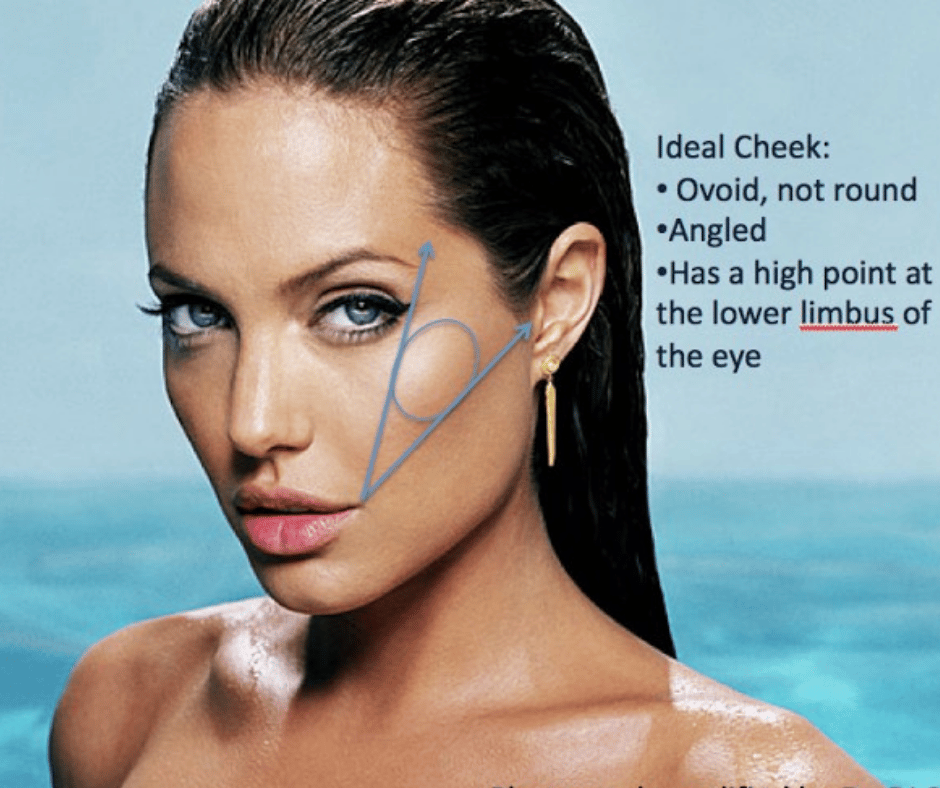
Ideal Cheek

The Ogee curve is a double S-shaped curvature along the cheeks that gives the face contour and dimension. It is best appreciated when looking at a patient’s cheek from a 45 ° angle. Younger women have an extensive Ogee curve, which enhances their appearance and gives upper and mid-face fullness and width. With age, the size of the curve diminishes leaving patients with flat cheeks and a lack of contour to the face. This is due in part to bone loss in the face as well as loss of volume in the deep fat compartments in the face. Patients will usually state that their faces are sagging.

A key goal in treating patients with cheek volume loss is to restore a wide Ogee curve to the mid-face. This helps to relieve skin droop particularly in the smile lines and restore a more youthful anatomy. Mathematical formulas using the Golden Ratio, or Phi, can be used to find this point on the cheek. Cheek fillers can be used to improve the shape of the cheek to more ideal proportions.

A key goal in treating patients with cheek volume loss is to restore a wide Ogee curve to the mid-face. This helps to relieve skin droop particularly in the smile lines and restore a more youthful anatomy.Mathematical formulas using the Golden Ratio, or Phi, can be used to find this point on the cheek. Cheek fillers can be used to improve the shape of the cheek to more ideal proportions.

FAQs

Q: Is the treatment safe?

Yes.

Q- Who can get this treatment?

Everyone. However, it should be avoided in cases of skin infection, allergies, and chronic disease affecting the muscles. It should also be avoided during pregnancy and lactation.

Q- Are there any side effects?

It can cause mild pain and tenderness on the lips. Rarely can cause a bruise at the site of injection.

Benefits

  • It restores the youthful facial appearance
  • Improves the under-eye area
  • Can achieve ideal oval high cheek point
  • Can improve nasolabial folds
PRP Hair Loss Treatment in Hazlemere

PRP Hair Loss Treatment in Hazlemere

J-Gold PRP Hair loss Treatment

If you are looking for a qualified and experienced Doctor to administer a Platelet Rich Plasma PRP hair loss treatment in Hazlemere, High Wycombe  Beaconsfield, Amersham, Chesham, Loudwater, and Totteridge then you are in the right place. At Javaani Aesthetic Clinic, you will only be treated by qualified medical professionals giving you peace of mind. PRP hair loss treatment cost is less than others.

PRP Hair Loss Treatment

J-Gold Hair loss treatment combines PRP and Microneedling to stimulate new hair growth and support the exiting weakened hair.

Types of hair loss

Androgenic Alopecia

Androgenic alopecia is a chronic and progressive genetic condition which causes hair loss and affects both men and women. In men this condition is commonly known as male-pattern baldness, and it is an extremely common disorder which affects around 50% of men. In men the hairs recede in a specific pattern, moving the hairline backwards. In women there is a generalised thinning of hair (hair loss Treatment) all over the head.

1-Alopecia Areata

This is an autoimmune condition in which hairs fall out in patches of various sizes. This condition can affect any part of the scalp, beard or eyebrows.

2-Telogen Effluvium

This condition is caused by various physical or psychological stresses. Hair growth takes place in various phases and in this condition more than usual number of hairs move into resting phase and fall.

3-Traction Alopecia

In this condition hair fall due to physical pulling and traction due to different hair styles.

4-Hair loss due to illness or chemotherapy

PRP after recovery from the main condition can stabilise and reverse hair loss. There is increasing clinical evidence that PRP therapy can stimulate hair follicles, strengthen them, reduce follicle destruction, and stimulate natural hair re-growth. It promotes and regenerates hair growth. Moreover, it is also effective for the treatment of hair thinning.

How does it work?

PRP works through stimulating the hair cells (hair follicles) by the action of natural growth factors. These growth factors are released by the specialised cells called platelets which are concentrated in PRP. This PRP is injected into the scalp which in turn increases blood flow to the treated area, strengthens hair and stimulate growth of new hairs.

Microneedling further stimulates hair follicles and works in synergy with the PRP.

Results of PRP hair loss treatment

PRP is not a cure for androgenic alopecia therefore multiple PRP therapy sessions will be needed to maintain the results.

IMPORTANT TO NOTE

Not every type of hair loss can be treated, but a doctor may be able to prevent further hair loss. It can take months before you see results from treatment. No one treatment works for everyone, even two people with the same type of hair loss. Sometimes, hair loss is stubborn and requires trying different treatments before finding one that works.

IPL (Intense Pulsed Light) Treatment

IPL (Intense Pulsed Light) Treatment

IPL (Intense Pulsed Light) Treatment

Intense Pulsed Light (IPL) is a cosmetic skin treatment. People may use it to reduce the signs of aging or remove unwanted hair. Other uses include reducing the appearance of scars, lightening darker patches of skin, and improving the appearance of spider veins.

IPL works in a similar way to laser therapy. The contrast is that where laser treatment conveys a solitary frequency of light energy, IPL conveys different frequencies. This implies that IPL can treat a bigger area of skin in a more limited time than laser treatment.

This article will clarify how IPL functions and why individuals use it. It will likewise inspect its wellbeing and adequacy and check the potential risks and dangers.

How does IPL work?

IPL utilizes light energy to target precisely and eliminate pigmented or harmed skin cells or hair follicles.Utilizing a hand piece, a clinical expert will focus on various frequencies of light onto the skin. This light warms cells in the skin and destroys them. The body then, eliminates the damaged/dead cells normally.

Uses

People may choose IPL as a treatment for a range of skin issues. These include:

Safety, Risks, and Side Effects

IPL is safe for most people but is not suitable for everyone. Pregnant women and people who are on blood thinners, for example, should avoid IPL.

Other factors that make people unsuitable for IPL treatment include:

  • currently or recently taking the acne drug Accutane/Roaccutane
  • suffering from a skin resurfacing disorder
  • being susceptible to keloid scarring
  • having severe scarring
  • having suffered severe sunburn recently
  • people of certain medicines which make skin photosensitive
  • certain medical conditions
  • Pacemaker or other electric device in situ

As with any medical procedure, IPL does carry the risk of side effects and complications. Most of these are transient and self-limiting. These include:

  • pain
  • skin discoloration
  • swelling
  • Erythma

Rarely if not done appropriately it can cause:

  • Hyperpigmentation
  • Hypopigmentation
  • Peri folliculitis
  • Folliculitis
  • Burns
  • Blistering

How effective is it?

IPL is very effective on a wide range of skin types ranging from Fitzpatrick Skin Type 1 to 4. Clients within this wide range of skin types can achieve excellent results from hair loss and skin rejuvenating treatments.

It requires around 6 sessions of treatments for most IPL treatments.

Patch Testing

Patch testing is mandatory and should be done 2 days to two weeks before the treatment. This testing is performed on a discrete small area within the intended treatment area. This is to ascertain the optimum and safe energy to be used for the treatment.

Interval for Skin Type I-II 48 hours

Interval for Skin Type III-IV 2 weeks

Pre-Treatment Advice

  • Avoid exposure to UV light (sun or tanning beds) 4 weeks before
  • Avoid exfoliation, dermabrasion or peels a week before
  • Do not bleach skin 48 hours before
  • Shave 24 hours before
  • Stay well hydrated

What to expect

A practitioner will make sure that you are comfortable and wearing an appropriate protective eye covering. The practitioner will use a hand piece attached to the main IPL machine to deliver the treatment. During the treatment, individuals might feel a squeezing sensation. A few people have described this as a flexible band being "snapped" on the skin.

In good IPL machines the handpiece has a cooling tip which assures that the IPL heat is not felt uncomfortable.

The duration of treatment depends upon the area being treated which can vary from a small upper lip area to a large area of the back.

Immediately after the treatment a soothing aloe vera gel is applied on the treated area.

Post Treatment Advice

Following treatment, the treated area might look red or pink. This will usually subside within a few hours. Individuals may also experience a stinging sensation in the treatment area for 4 to 6 hours after IPL. This feeling might look like that of having a gentle sun burn.

After the treatment:

  • Avoid restrictive clothing
  • Avoid exposure to heat in any form
  • Avoid using skin products containing salicylic acid or glycolic acid
  • Avoid exercising for 24 hours
  • Avoid exfoliation/dermabrasion for a week
  • Avoid shaving for 48 to 72 hours
  • Apply cold compresses
  • Apply aloe vera gel

Other options

  • Microdermabrasion
  • Laser therapies
  • Chemical peels
  • Microneedling
  • Epilation
  • Waxing

Javaani IPL System Hazlemere High Wycombe

Biocare-one

Javaani IPL System brings Biocare-one to its clients to make them look good and feel better. Biocare-one combines IPL and Laser which enables practitioner to perform an extensive range of the most in-demand and specialist treatments to offer bespoke aesthetic solutions for every client’s needs.

Javaani’s advanced hand pieces are integrated with advanced active skin cooling technology, which is designed to operate at ice cold temperatures to keep the skin cool while the hair follicles are destroyed – Optimising client comfort without compromising on great results.

Integrated Active Skin Cooling system for superior comfort

The Biocare-one IPL treatment hand pieces are integrated with advanced active skin cooling technology, which is designed to operate at ice cold temperatures to keep the skin cool while the hair follicles are destroyed – Optimising client comfort without compromising on great results.

With in-motion gliding delivery, SHR ‘Super Hair Removal’ technology enables safe, painless, and highly effective treatments in less time.

  • More effective than traditional IPL or Laser
  • Fast treatments for higher client turnover
  • 5-star client comfort & safety
  • Gliding motion for superior coverage

Javaani Aesthetic Clinic offers treatments for: